Tripoli – Wednesday, October 29, 2025
The Administrative Control Authority held the first coordination meeting today to discuss the activities of the national project, “Strengthening Libya’s Capacities to Prevent and Combat Corruption and Money Laundering.” The session brought together representatives of Libyan oversight institutions, the UN Office on Drugs and Crime (UNODC), and the European Union Mission in Libya.
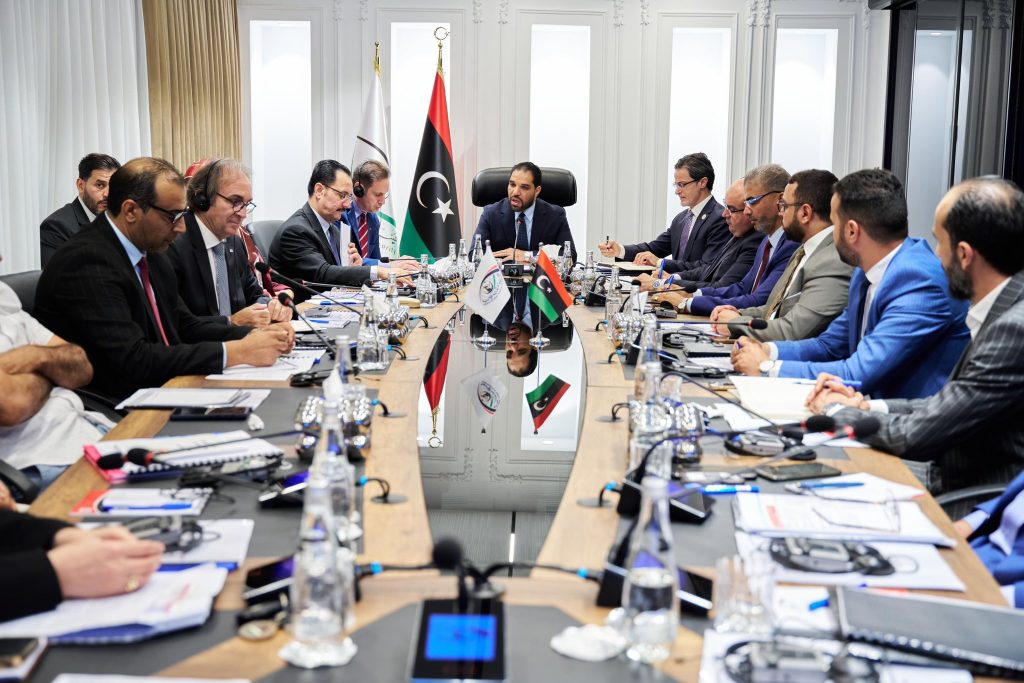
The meeting was attended by Mr. Abdullah Qaderbouh, Chairman of the Administrative Control Authority Mr . Ibrahim Ali, Chairman of the High Committee for Supervision of the National Strategy for Performance Monitoring, Combatting and Preventing Corruption (2025–2030); Mr. Tariq Sanan, Director of UNODC in Libya; Ms. Mona Salem, Regional Project Representative; and Mr. Vesente Siles, Governance and Local Authorities Program Manager at the EU Mission.
Opening the meeting, Mr. Qaderbouh welcomed participants and praised the involvement of ministries, national bodies, and international partners. He emphasized the importance of unified efforts to build a governance model that ensures integrity and a corruption-free future for Libya.
In his remarks, Mr. Ibrahim Ali highlighted the need to activate the Committee’s mandate in implementing the National Strategy’s priorities—promoting transparency, integrity and accountability across public institutions; strengthening governance; spreading public awareness; and building national capacities to prevent corruption and money laundering. He emphasized that these measures reflect a national commitment supported by cooperation between government agencies and international partners.
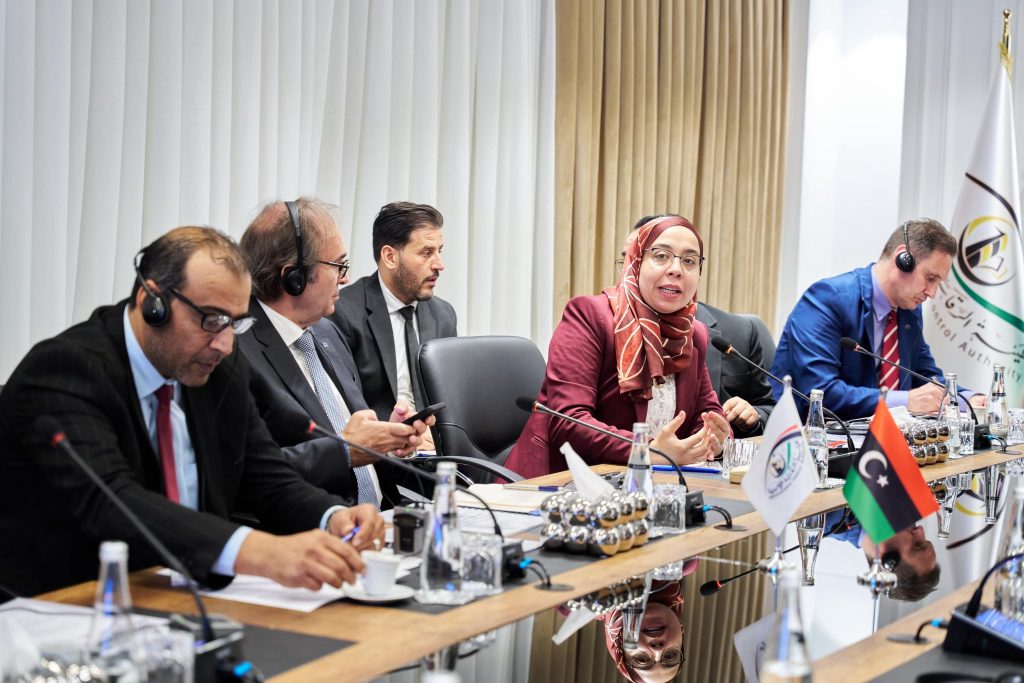
Mr. Ali reiterated that the Committee’s mission is a collective national responsibility, open to all public and private institutions wishing to contribute to good governance and sustainable development in Libya.
UNODC presented a set of proposed activities for the last quarter of 2025, including:
- Strengthening prevention and anti-corruption systems
- Capacity-building and advisory support
- Updating the legal framework
- Specialized workshops on international best practices
- Promoting national and regional cooperation and knowledge-sharing
Discussions also addressed the mechanism of the High Committee’s work, implementation phases, and next steps to ensure efficiency, sustainability, and measurable results. Participants focused the importance of reinforcing partnerships with UNODC and the EU Mission, and benefiting from global experiences in implementing the National Strategy (2025–2030).
The meeting came as part of the wider cooperation between the Administrative Supervision Board and UNODC under the Libyan National Capacities Support Project, aimed at bolstering institutional capabilities to combat corruption and money laundering.
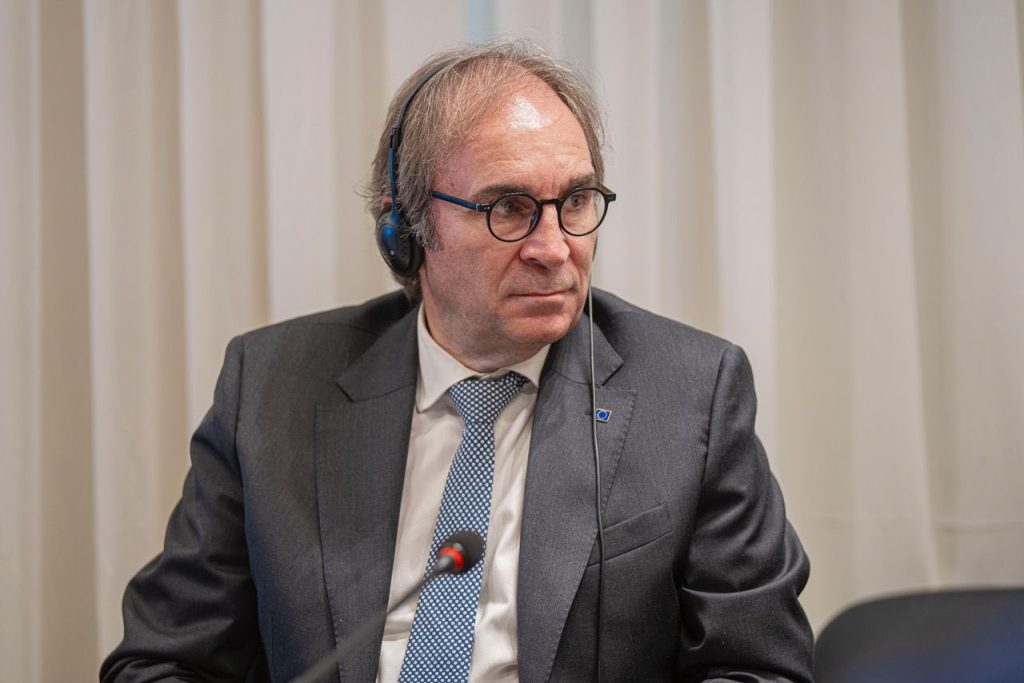
At the conclusion of the meeting, participants agreed to develop a detailed work program defining activities, responsibilities, and expected outcomes. Emphasis was placed on teamwork between the High Committee and subcommittees, and on integrating both national and international expertise within a unified framework.
Following the session, the delegation visited the National Academy for Training and Development, where they were briefed on ongoing capacity-building programs. The delegation commended the efforts to develop institutional skills in line with national and international standards and wished continued success in strengthening public service performance in Libya.