United Nations Torture Prevention Subcommittee Reviews Ombudsman’s Role in Protecting Prisoners’ Rights
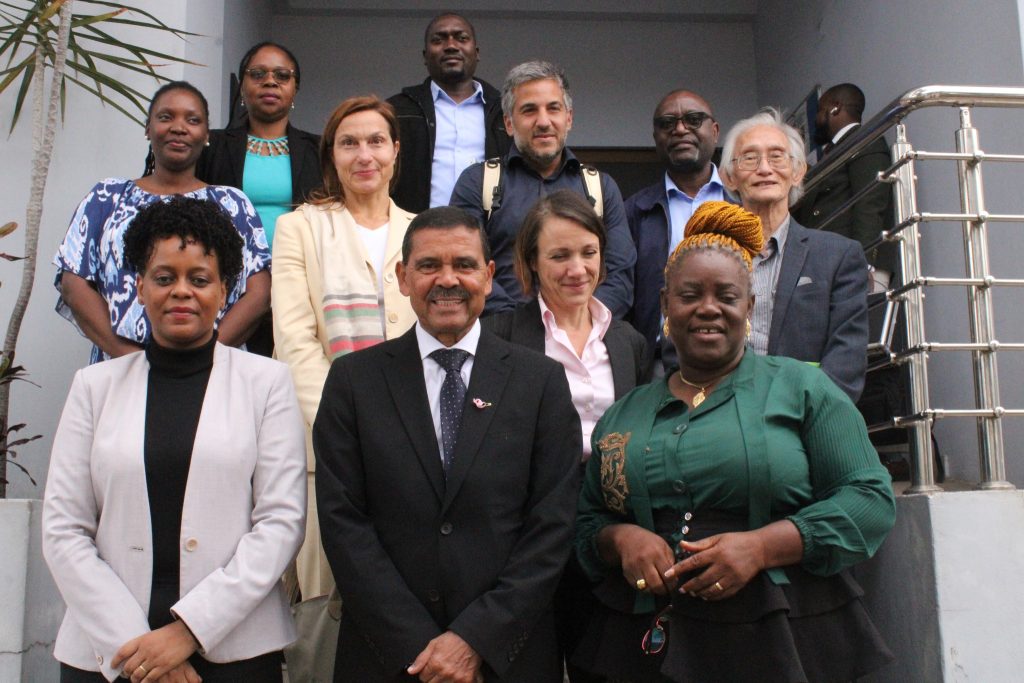
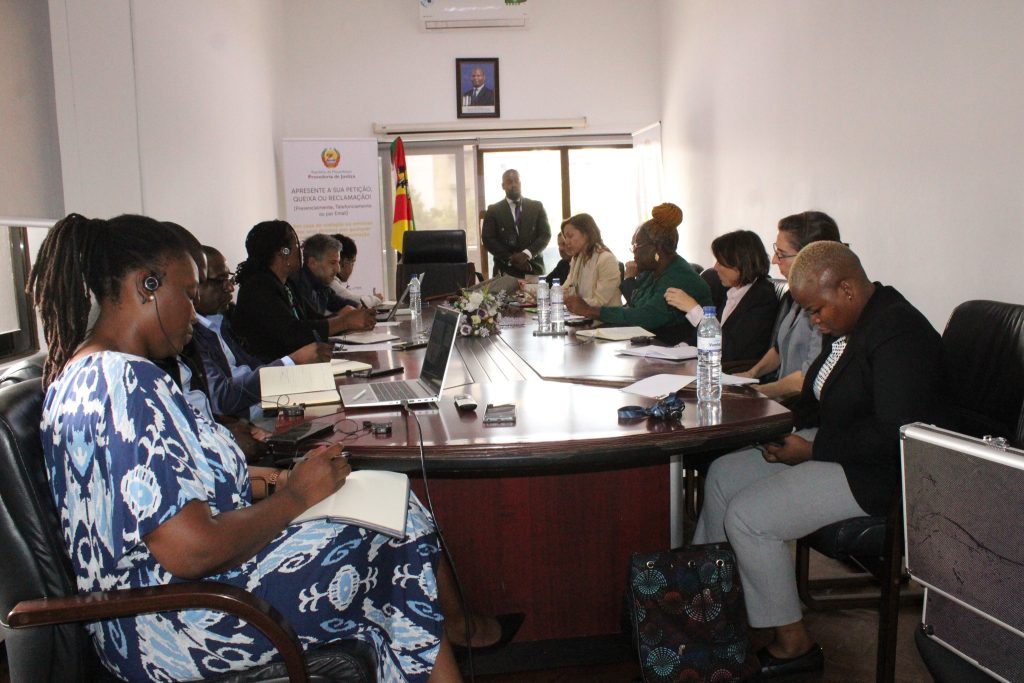
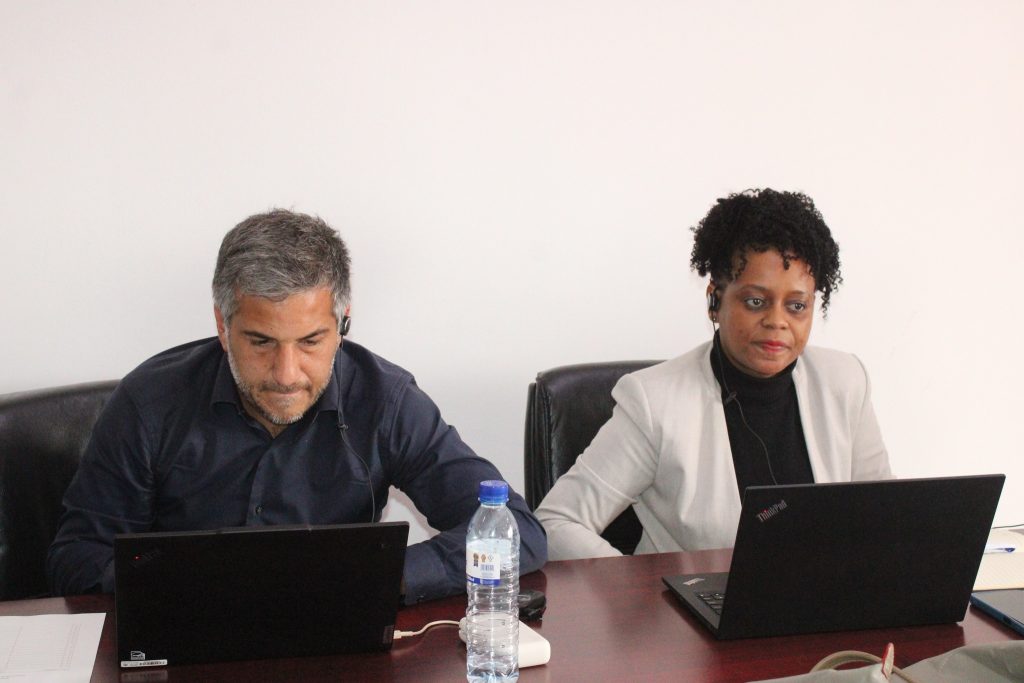
Maputo, October 20, 2025 — A delegation from the United Nations Subcommittee on the Prevention of Torture and Other Cruel, Inhumane and Degrading Treatment or Punishment (SPT) met with officials of the Office of the Ombudsman as part of its ongoing mission to Mozambique. The meeting focused on evaluating and strengthening the Ombudsman’s contribution to the promotion and protection of the rights of persons deprived of liberty, and on preventing torture and other forms of inhumane treatment in detention facilities.
Representing the Ombudsman, Assessor Felismina Muhacha emphasized that the Office of the Ombudsman an independent state institution mandated to uphold citizens’ rights, freedoms, and fundamental guarantees has been actively monitoring detention facilities across the country. She underlined that the Office has conducted regular visits to prisons and issued recommendations to the Government aimed at improving incarceration conditions and safeguarding the dignity of detainees.
Muhacha clarified that, during these visits, no direct evidence of torture has been identified, though she cautioned that the absence of formal complaints does not necessarily mean that such practices do not occur.
“We haven’t found it, but we’re not saying it doesn’t exist,” she noted. “It may be that some prisoners are intimidated or reluctant to report such incidents. While we have identified other problems, none have specifically involved torture.”
Addressing recent concerns, Muhacha referred to post-election demonstrations that took place in late 2024 and early 2025, during which an escape from Maputo Central Prison was followed by reports of gunfire and fatalities among prisoners. The Ombudsman, she explained, immediately engaged with the Government, which established a commission of inquiry to investigate the circumstances surrounding the escape and the reported deaths.
“The results of this inquiry are being reviewed by the National Human Rights Commission,” she added. “Our role was to initiate communication with the authorities and seek clarification on the events at Maputo Central Prison.”
Muhacha outlined several key areas in which the Ombudsman plays an active role in the protection of prisoners’ rights, including proposing legislative reforms to improve detention conditions, monitoring compliance with international human rights instruments, and issuing public statements on issues related to incarceration and humane treatment. She also highlighted national efforts such as the construction of new prison units, increased budget allocations for the prison system, and criminal law reforms promoting the use of alternative sentences to reduce overcrowding.
Among the Ombudsman’s reform proposals is the exploration of public–private partnerships in prison management—an approach inspired by models used in France and the United States. Muhacha clarified that while this concept would require careful consideration, it aligns with broader discussions across Africa on improving prison governance and resource management.
“As a country, Mozambique should engage in this conversation to assess whether such models could enhance the efficiency and humanity of our correctional system,” she said, emphasizing that rehabilitation and social reintegration must remain at the center of any reform.
In their concluding remarks, members of the UN Subcommittee on the Prevention of Torture, chaired by Mr. Christoffel Nissen of South Africa, commended the proactive role of the Ombudsman in promoting the rights of prisoners and advancing the fight against torture. They acknowledged the institution’s contributions to national human rights protection mechanisms, while also identifying areas that require further strengthening, particularly in clarifying institutional competencies, improving coordination with other state bodies, and enhancing the effectiveness of prison monitoring activities.
The visit of the United Nations Subcommittee for the Prevention of Torture, which began on October 18 and will continue through October 30, forms part of its regular engagements with national oversight institutions to evaluate implementation of the Optional Protocol to the Convention Against Torture (OPCAT) and to support member states in consolidating mechanisms for the prevention of torture and inhumane treatment.