
Tripoli — Wednesday, November 19, 2025
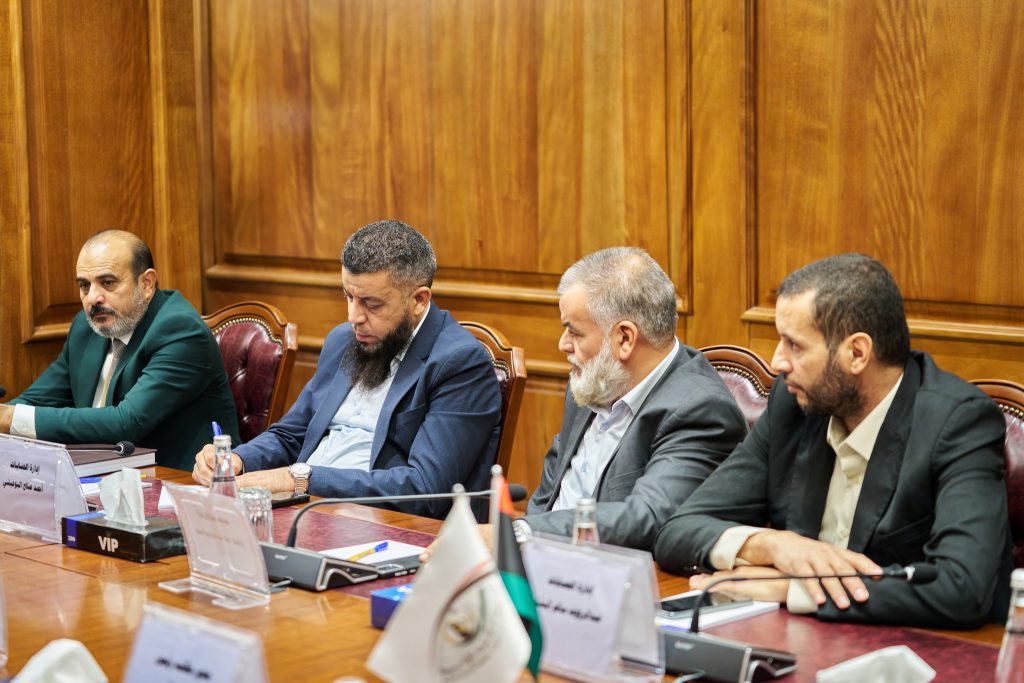
The Chairman of the Administrative Control Authority, Mr. Abdullah Qaderbouh, announced the official completion of Libya’s final account closure for the years 2011–2015 during an extended meeting held in Tripoli. The announcement was made in the presence of members of the National Committee for Closing Accounts, several members of the House of Representatives, the High Council of State, and a number of ministers and senior officials.
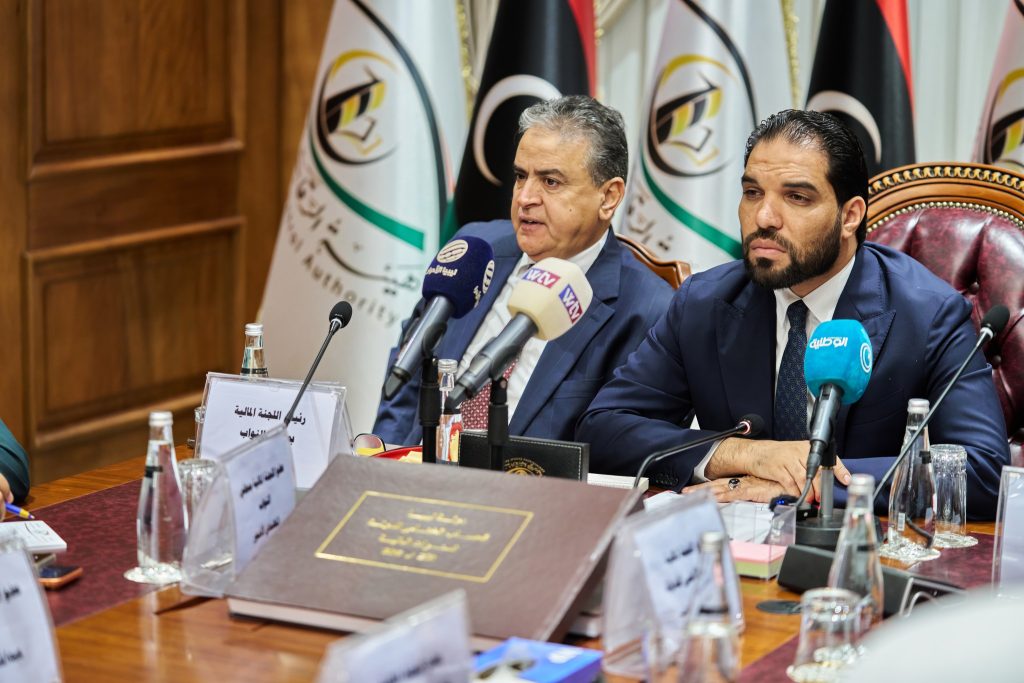
Attendees included:
- Mr. Omar Tantosh, Chairman of the Finance, Planning and Budget Committee, HoR
- Mr. Abdul Jalil Al-Shaoush, Chairman of the Finance Committee, High Council of State
- Mr. Mohammed Al-Haweej, Minister of Economy and Trade
- Mr. Abubakar Al-Jafal, Ministry of Finance Representative
- Mr. Muhammad Al-Zaidani, Minister of Planning
- Dr. Ali Mansour, Chairman of the National Committee for Closing Accounts
- Directors and officials from the Administrative Oversight Board and Ministry of Finance
A Historic Achievement After 15 Years
Mr. Qaderbouh stated that financial reporting had been severely affected due to the non-closure of state accounts since 2007, resulting in a “major error in the financial system” and limiting accurate assessment of Libya’s financial position. He praised the coordination between the Oversight Board, the financial committees of both legislative bodies, and the national institutions operating under Resolution No. 555 (2025).
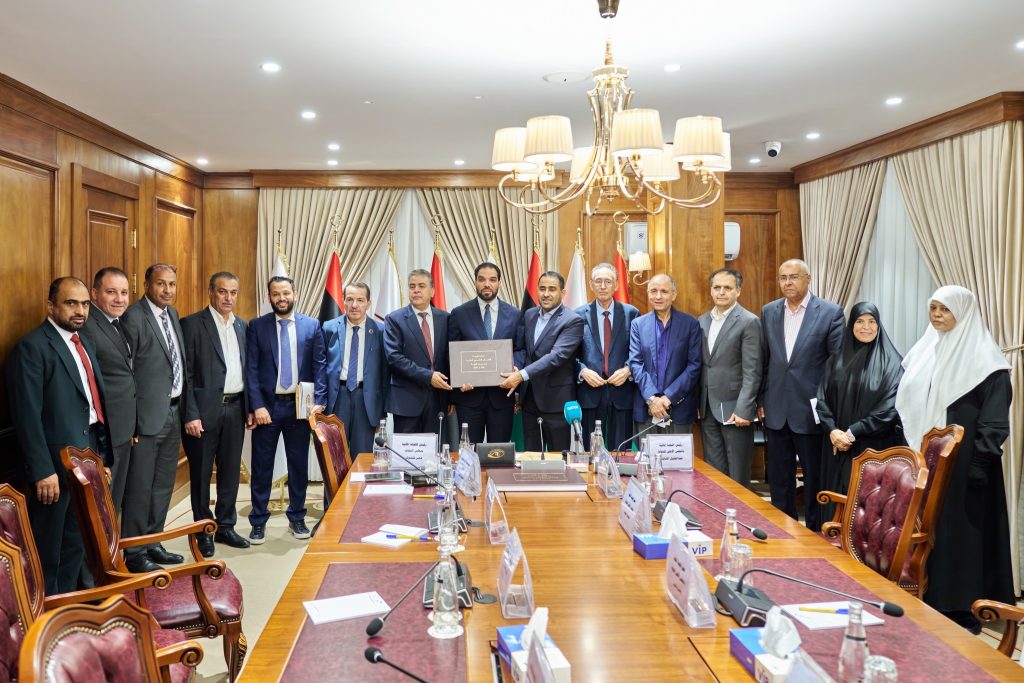
He declared the final account closure as “a critical step toward reclassifying the state’s financial position and correcting systemic deficiencies.”
He also welcomed the recent unification of public expenditure, while acknowledging the economic challenges faced by the Central Bank of Libya.
National Committee: Phase One Completed in Record Time
Dr. Ali Mansour, Chairman of the National Committee, explained that the 15-year delay had negatively impacted the economy, distorted real exchange rate assessments, weakened accountability, and painted an inaccurate financial picture of Libya in local and international reports.
He noted that the Committee’s work is structured in three phases:
- 2011–2015 (now completed)
- 2016–2020
- 2021–2024
Despite challenges such as the absence of a general budget law, inconsistent data, and missing documents, the national team managed to complete the first-phase closure in just 75 days. Work is now underway to correct errors and address incomplete data.
Praise from Legislative Bodies
HoR Finance Committee Chairman Omar Tantosh called the achievement “historic,” emphasizing that oversight bodies are committed to monitoring financial plans and curbing deviations that increase public spending.
High Council of State Finance Committee Chairman Abdul Jalil Al-Shaoush added that completing the final account closure strengthens international confidence in Libya, especially at a time of expanding public expenditure.
Ministry of Finance Commits to Completing Remaining Years
The Ministry of Finance reaffirmed its determination to finalize the remaining account closures up to 2024 as soon as possible. It highlighted ongoing financial reforms, particularly in digital transformation and the development of:
- The Government Financial Information Management System
- Unified Treasury Account
- Electronic payment and collection center
- Modernized tax and customs systems
Strengthening Governance and Financial Transparency
This achievement aligns with the Administrative Oversight Board’s mandate to reinforce financial monitoring, unify accounting standards, and promote transparency and accountability in public finance. It marks a significant step toward good governance, improved fiscal discipline, and setting Libya’s financial system on a clearer and more reliable path.