An international conference titled “The Role of Audit in Protecting the Interests of the State and Economic Entities” was convened in Baku in dedication to Human Rights Day, under the joint organisation of the Commissioner for Human Rights (Ombudsman) of the Republic of Azerbaijan and the Chamber of Auditors of the Republic of Azerbaijan.
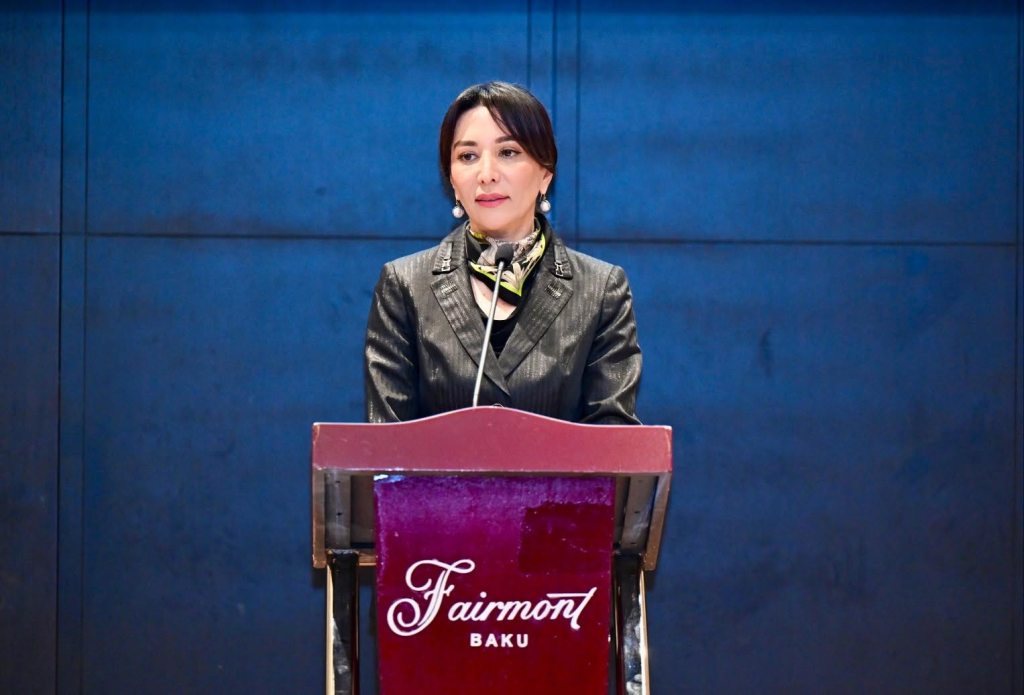
The distinguished gathering brought together the Honourable Sabina Aliyeva, Commissioner for Human Rights (Ombudsman) of the Republic of Azerbaijan and Board Member of the Organisation of Islamic Cooperation Ombudsman Association (OICOA); Professor Vahid Novruzov, Chairman of the Chamber of Auditors of the Republic of Azerbaijan; senior officials from both institutions; heads of audit institutions from foreign countries; as well as representatives of non-governmental organisations and the media.
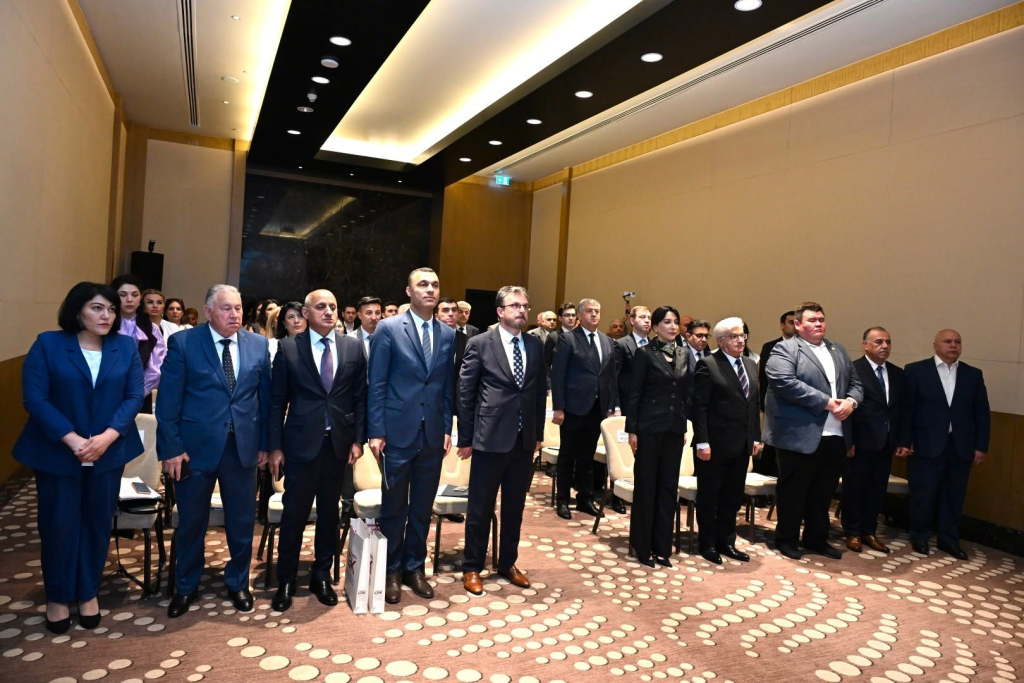
In her opening address, Commissioner Sabina Aliyeva underscored the fundamental importance of audit institutions as indispensable mechanisms for ensuring transparency, accountability, the rule of law, and a culture of responsible governance. She affirmed that a robust and independent audit system makes a vital contribution to the protection of the legitimate interests of the state, economic entities, and citizens alike — underpinning the efficient stewardship of public resources and the reinforcement of economic security.
Commissioner Aliyeva further highlighted the human rights dimension of strong audit frameworks, noting that transparency and accountability in audit practice serve to strengthen public trust in state institutions, prevent violations of the law, and advance the principles of social justice.
Professor Vahid Novruzov, in his introductory address, emphasised the modern audit institution’s critical and preventive role in supporting business protection, development, and long-term sustainability. He characterised the independent audit system as an essential mechanism of control within the broader framework of economic relations — serving as a vital bridge of trust between economic entities and their stakeholders.
Professor Novruzov further stressed that the audit system must be recognised as one of the foundational pillars of a law-governed state, and that it functions as a core element of institutional infrastructure safeguarding human rights.
The conference featured a series of substantive presentations and reports addressing a broad range of interconnected themes, including the activities of the Ombudsman in upholding the right to equality and combating discrimination; the promotion of legal awareness in auditing within the context of human rights and public interest protection; the role of audit in the defence of human rights; and the strategic importance of auditing in ensuring economic security and legal transparency.
The conference reaffirmed the integral relationship between sound audit governance and the protection of fundamental human rights — a principle that lies at the heart of OICOA’s mandate and the shared values of its member institutions.