Ombudsman of Mozambique Supports Flood Victims in Restoring Lost Identification Documents
The Office of the Ombudsman of Justice of Mozambique, a member institution of the Organization of Islamic Cooperation Ombudsman Association (OICOA), participated in a Human Rights and Access to Justice Fair aimed at supporting flood-affected communities in Boane District, Maputo Province.
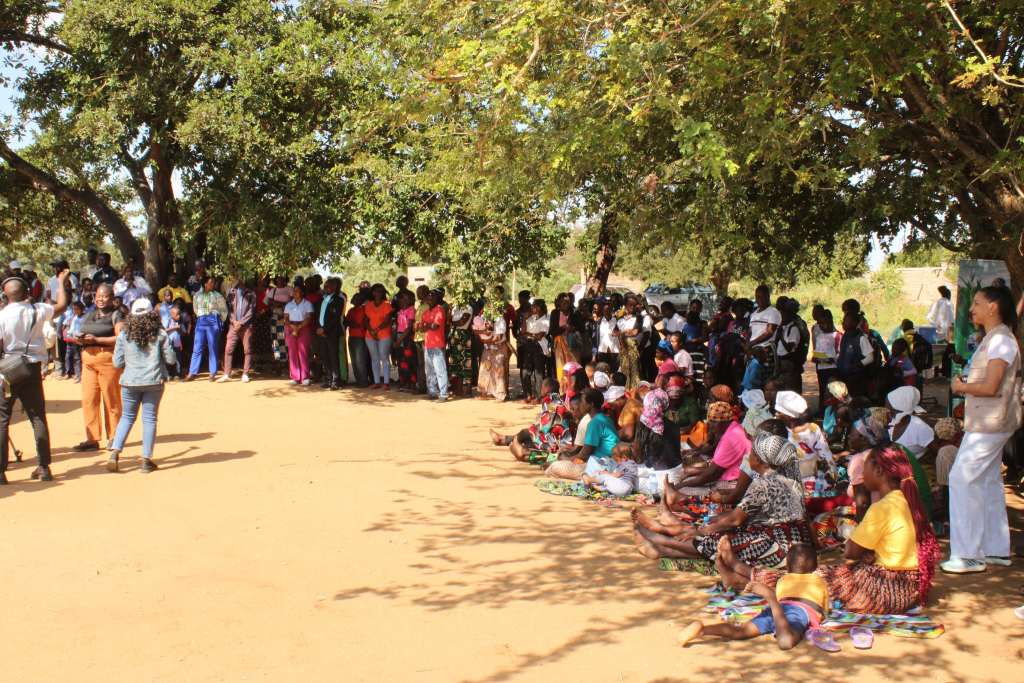
The initiative, held in Guegue on 19 October, was organized and the Program Promoting Access to Justice, implemented by the Ombudsman of Justice, the National Commission of Human Rights (CNDH), and the Institute for Multiparty Democracy (IMD), with support from the Embassy of the Kingdom of the Netherlands.
The fair targeted communities displaced by severe flooding caused by heavy rains, which resulted in the loss of essential identification documents such as civil identity cards and birth certificates.
During the event, various services were provided, including civil registration and notary services, legal assistance, and guidance on complaint mechanisms and referral procedures. Health services were also offered, including counseling, screening, and referrals to healthcare facilities.
The Ombudsman’s team engaged directly with community members, students, and visitors, providing information about the institution’s mandate, procedures, and role in safeguarding citizens’ rights and ensuring accountability in public administration. Informational materials, including brochures and leaflets, were distributed to enhance public awareness.

The initiative aimed to reduce bureaucratic barriers and enable flood victims to regain their legal identity and access essential public services. Access to civil identification is considered fundamental, serving as the gateway to other basic rights. Its loss during natural disasters can significantly deepen social exclusion and limit citizens’ access to state services.
This effort reflects the Ombudsman Institution’s commitment to promoting access to justice, supporting vulnerable communities, and strengthening inclusive governance, in line with OICOA’s mission.