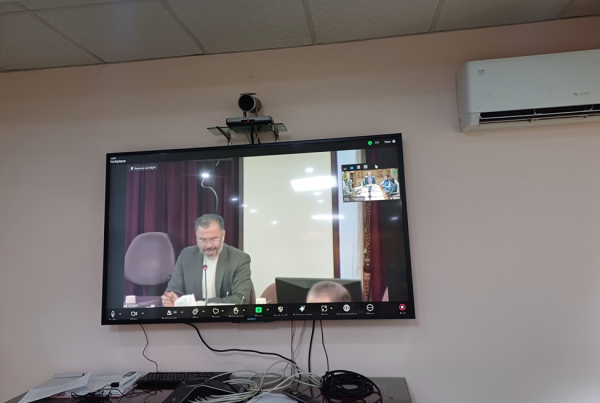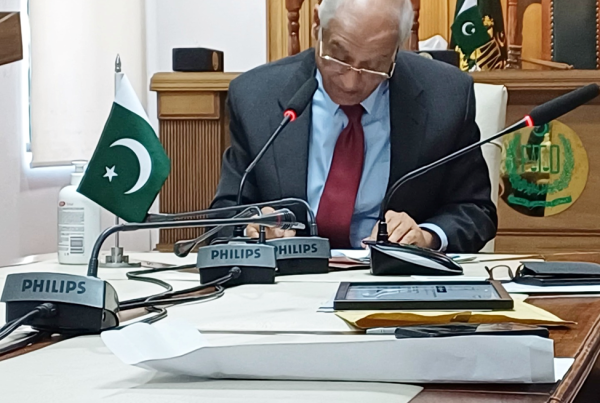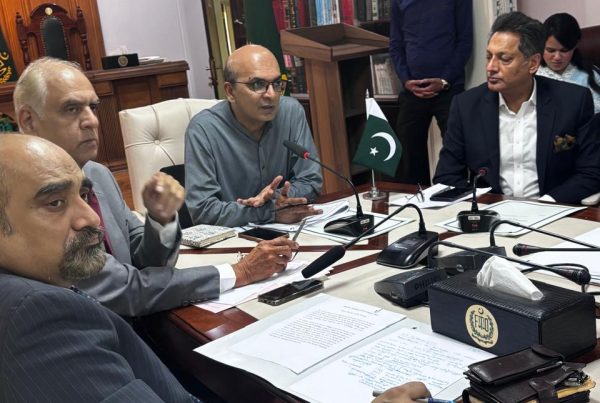
In an online 7th OICOA Training Session organized as part of the OICOA training program, the General Inspection Organization (GIO) of Iran presented its experience and institutional approach to promoting transparency and access to information through the lens of the ombudsman function.
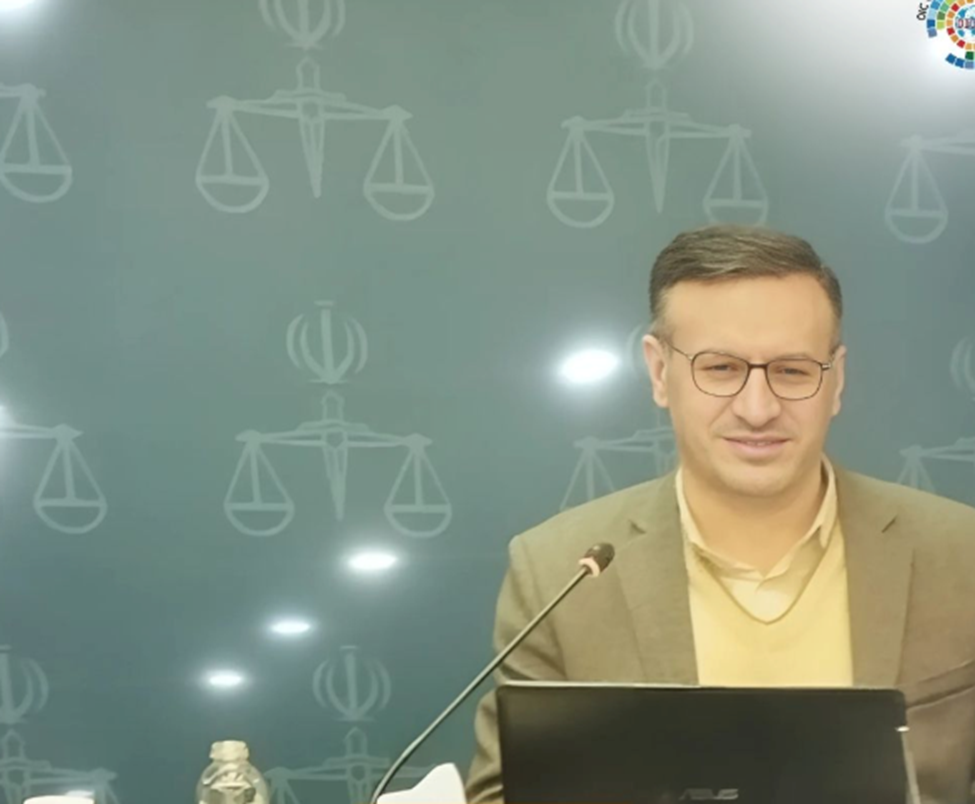
The session, titled “Ombudsman and Access to Information: Iran’s Experience in Promoting Transparency”, focused on how GIO serves as a key oversight body in enforcing Iran’s Transparency Law. It highlighted the organization’s dual role in both monitoring compliance and driving legislative improvement.
Delivering the keynote address was Dr. Hossein Menati, a seasoned academic and frequent collaborator with GIO Iran on research and policy analysis. Drawing from Iran’s evolving experience in implementing its Transparency Law, Dr. Menati unpacked how the GIO’s ombudsman function has matured from reactive oversight to proactive regulatory engineering.
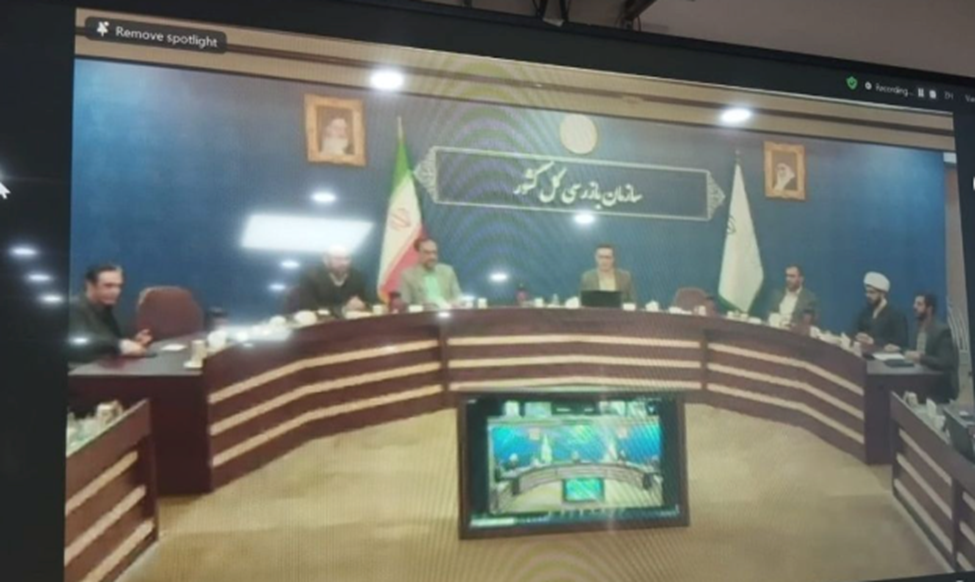
This wasn’t a theoretical exercise. Dr. Menati walked the participants through Iran’s process-based approach to legal and institutional management — a method that treats governance as a system of interconnected actions: planning, execution, control, and continuous supervision. He explained that GIO applies this model across executive, judicial, and public institutions to ensure that transparency isn’t just written into the law, as it is lived, monitored, and constantly refined.
GIO’s enforcement responsibilities include ensuring that public bodies disclose key information — decisions, contracts, financial data — as mandated. Where non-compliance is found, GIO investigates, intervenes, and, if necessary, escalates. Crucially, the agency also processes citizen and civil society complaints, making it a real channel for public voice in government oversight.
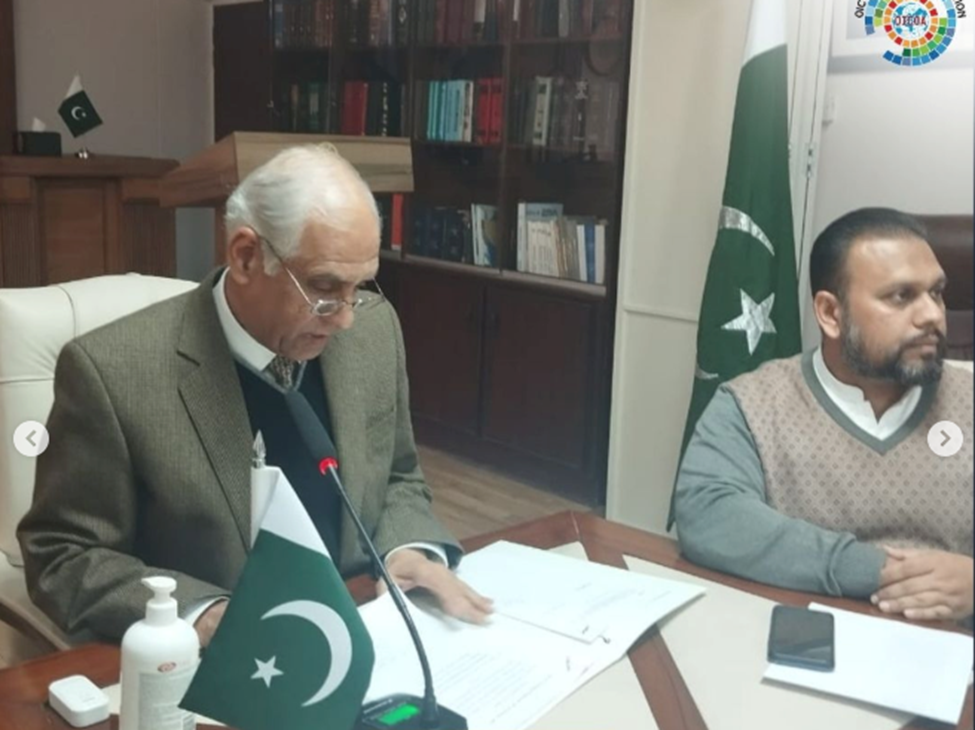
But GIO’s role doesn’t stop at enforcement. Dr. Menati emphasized the agency’s contributions to shaping legislation itself. By evaluating how the law functions on the ground, identifying gaps, and issuing reform recommendations, GIO is part of a rare breed of ombudsman institutions that not only check power — but help recalibrate it.
Supporting this entire system is a robust regulatory framework and an embrace of technology. From digital monitoring platforms to big data analytics, GIO uses tools that not only track compliance, but map performance across institutions, producing insights that feed back into the legal and administrative system.
Throughout the session, Dr. Menati’s message was clear: transparency is not a box to be ticked — it is a moving system that needs continuous alignment. And in this system, the ombudsman — if properly empowered — is both guardian and guide.
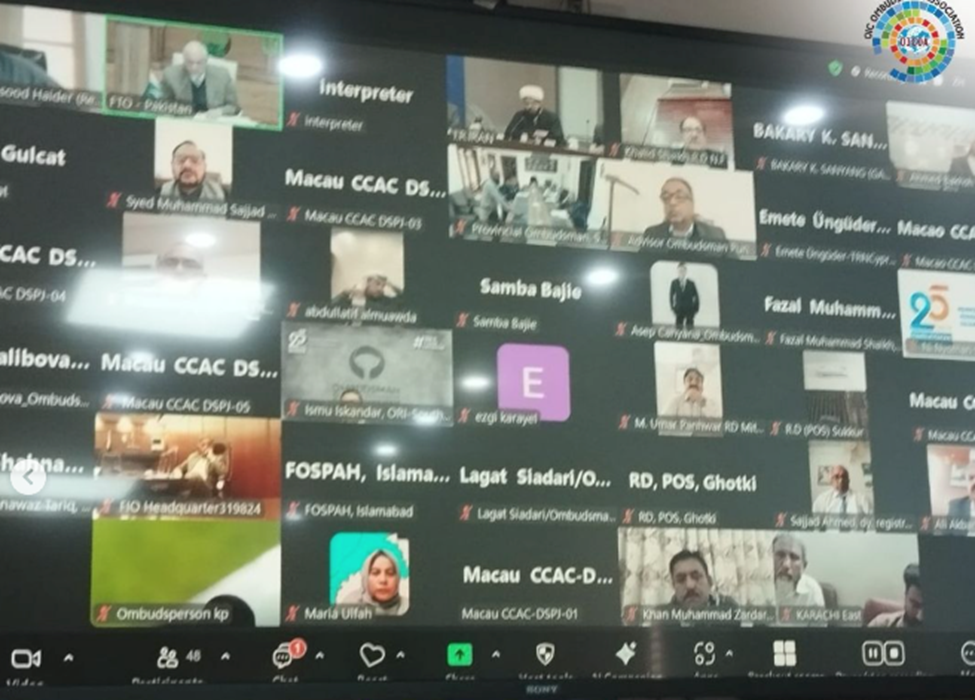
For the participants from OICOA Member Institutions who attended the webinar, Iran’s model offered more than policy inspiration. It offered a practical demonstration of what happens when the ombudsman’s office stops acting like a back-office complaint handler and starts functioning as an engine of accountability.