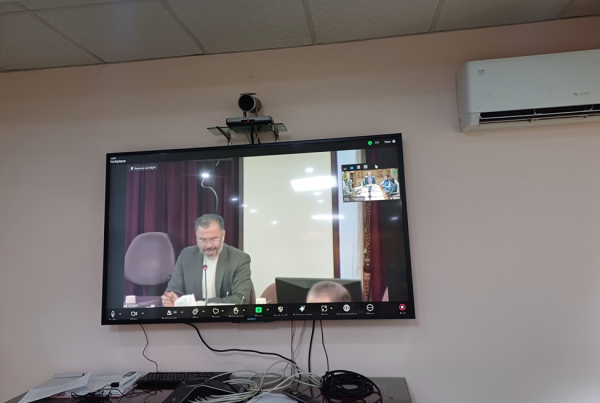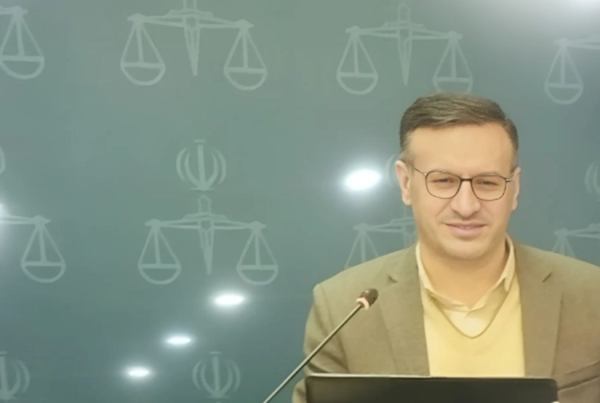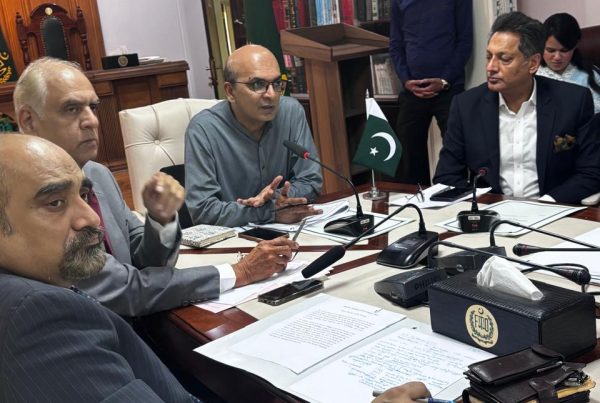
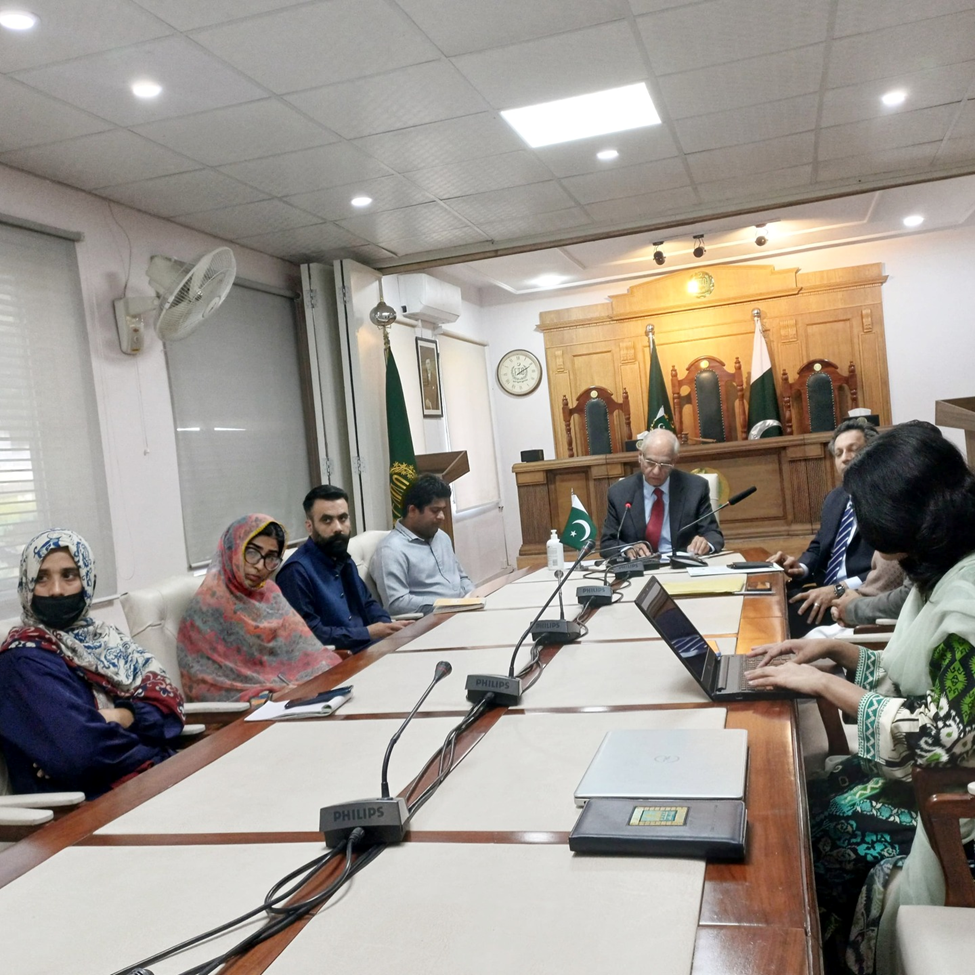
The 6th OICOA Online Training Session, was held on 20th March at the OICOA Secretariat in collaboration with Federal Tax Ombudsman of Pakistan and Forum of Pakistan Ombudsman. The session, titled “Webinar on Evolution, Working, and Performance of the Federal Tax Ombudsman Office in the Last Twenty-Five Years,” provided a comprehensive analysis of the institution’s development, impact, and continued role in ensuring transparency and accountability in tax administration.
The keynote address was delivered by Dr. Arslan Subuctageen, Director General (Trainings) of OICOA and the Forum of Pakistan Ombudsman, who also serves as Advisor (Customs) at the Federal Tax Ombudsman Secretariat. A seasoned bureaucrat with a formidable track record in matters pertaining to Customs, Dr. Subuctageen has held pivotal roles, including Director General of Customs and Member (Legal) at the Federal Board of Revenue.
With expertise spanning decades and a deep understanding of tax administration, Dr. Subuctageen led an engaging session, offering a comprehensive look at the role of the Federal Tax Ombudsman in fostering transparency, accountability, and taxpayer rights. Against the backdrop of global economic challenges and evolving governance frameworks, the session provided Ombudsman institutions with valuable insights into the power of independent oversight in strengthening public trust in tax systems.
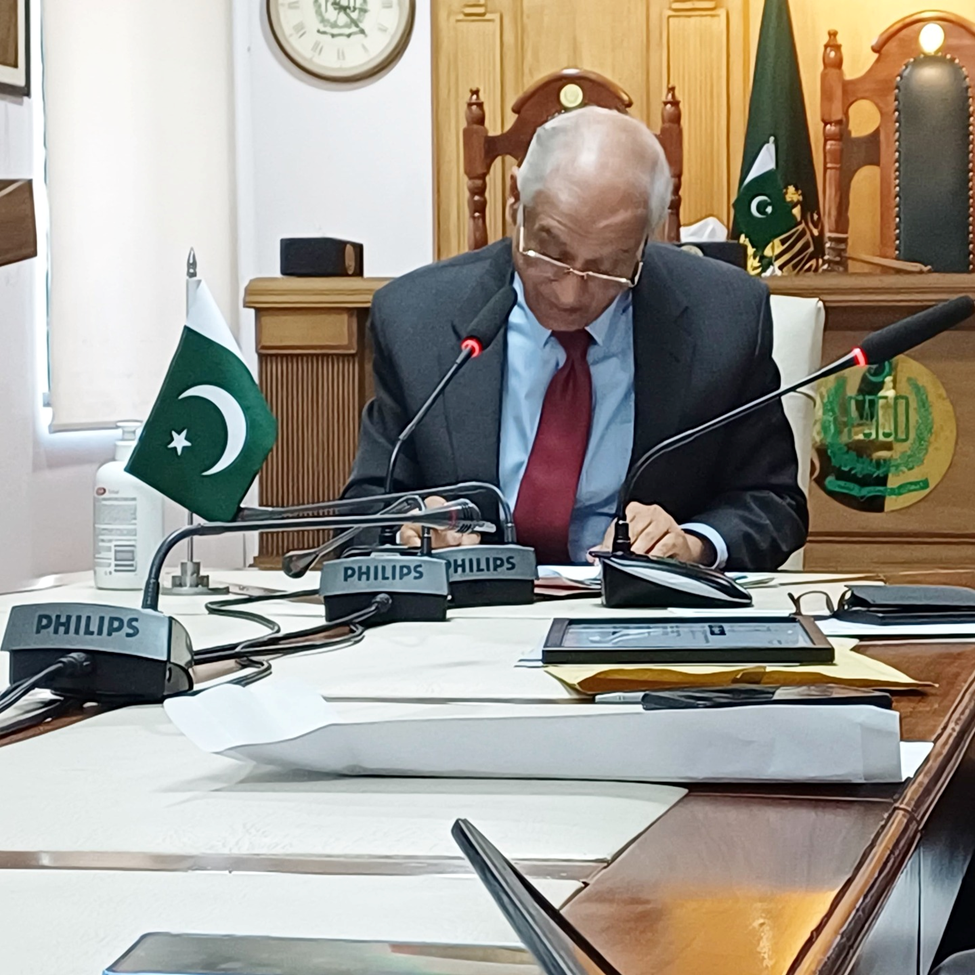
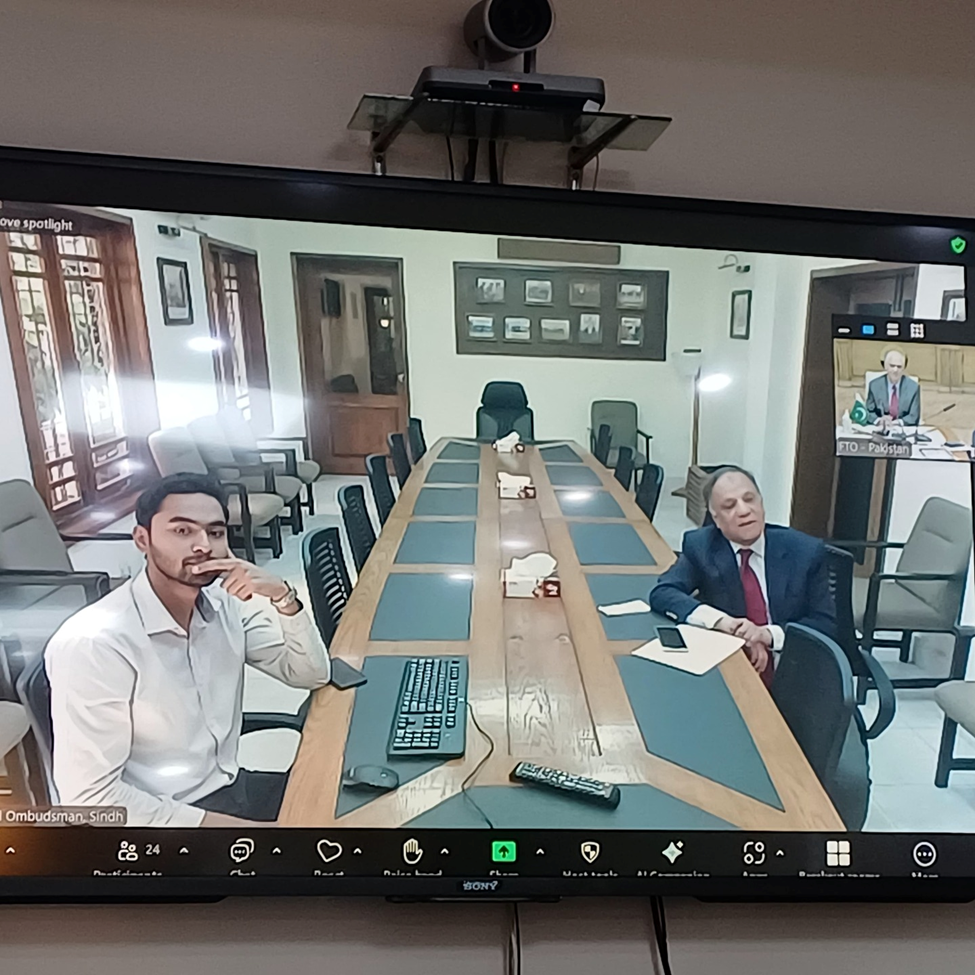
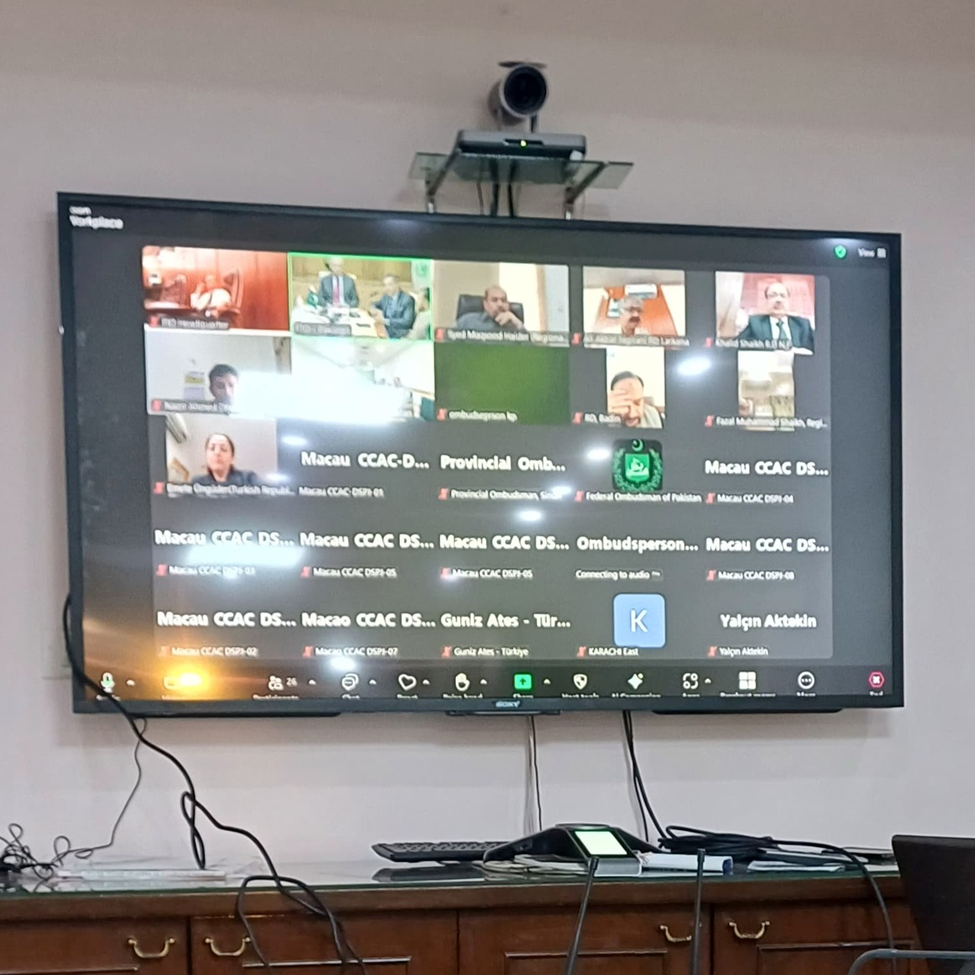
The session drew participation from Ombudsman and Ombudsperson offices across Pakistan, Türkiye, and the Turkish Republic of Northern Cyprus, with a notable presence from the Ombudsman of Macau: a Member Institution of Asian Ombudsman Association.
The training session focused on the evolution, working, and 25-year performance of the Federal Tax Ombudsman (FTO) of Pakistan, providing an in-depth understanding of its mandate, legal framework, and impact on tax administration. Dr. Subuctageen led the session by tracing the historical evolution of the Ombudsman institution, beginning from early Islamic governance under the Abbasid Empire, where the concept of Mohtasib (Ombudsman) was central to accountability (Ihtisab). He referenced Imam Ghazali’s scholarly work, which detailed the functions of the Office of Hisbah, and highlighted how the concept re-emerged in modern governance through Sweden’s first Ombudsman office in 1809, later spreading worldwide to over 140 countries, including many OIC states. The session then delved into Pakistan’s Ombudsman system, which began in 1983 with the establishment of the Federal Ombudsman and later expanded to specialized offices, including the Federal Tax Ombudsman (2000), Insurance Ombudsman (2000), Banking Mohtasib (2005), and the Federal Ombudsman for Protection Against Harassment (FOSPAH) (2010). He explained how these institutions have played a crucial role in ensuring good governance, transparency, and citizen-centric accountability.
A critical part of the discussion centered on the Federal Tax Ombudsman’s (FTO) mandate—diagnosing, investigating, and rectifying injustices within tax administration. Dr. Arsalan underscored the significance of FTO’s jurisdiction, covering income tax, sales tax (VAT), customs duties, and federal excise, and explained the legal framework that empowers it, from the FTO Ordinance, 2000 to the Federal Ombudsman Institutional Reforms Act, 2013. He provided an in-depth look into the complaint filing mechanism, highlighting that taxpayers can now seek justice through a digitally integrated system with multiple access points—online portals, WhatsApp, emails, and physical submissions. This accessibility ensures that ordinary citizens can seek redress against maladministration of tax functionaries without legal hurdles or financial burden.
Perhaps the most revealing aspect of the session was the impact assessment of FTO’s work. Beyond resolving individual complaints, FTO has played a crucial role in recovering billions in lost revenue due to tax mismanagement. Dr. Arsalan cited cases where FTO’s intervention in customs auctions and tax refunds led to the recovery of substantial sums, such as PKR 8.4 billion in customs-related matters and PKR 23 billion in tax refunds. He emphasized that FTO’s effectiveness is not merely measured in numbers but in its ability to restore taxpayer confidence in the system.
In a forward-looking discussion, Dr. Arsalan detailed FTO’s strategic expansion, including the establishment of facilitation desks at border stations, the launch of a mobile application, and the opening of regional offices in underserved areas. He stressed that FTO’s true success lies in its ability to evolve, ensuring that tax oversight remains robust, independent, and responsive to systemic challenges.
Also joining the session was H.E. Rafiuzzaman Siddiqui, former Ambassador of Pakistan to Bangladesh and incumbent Senior Advisor to the Provincial Ombudsman of Sindh. In his remarks, he applauded Dr. Arslan Subuctageen for delivering a compelling and incisive presentation. He also lauded OICOA’s Secretary General and Honorable Federal Tax Ombudsman of Pakistan, Dr. Asif Mahmood Jah for his tireless efforts in increasing the efficiency of FTO and congratulated the staff of FTO on achieving 25 years of remarkable performance.
The training session closed with reflections on institutional synergy, particularly how Ombudsman institutions worldwide can learn from Pakistan’s model. It was a compelling reminder that tax justice is not just about enforcement—it is about building trust, ensuring fairness, and fostering a system where governance is held to account for the people it serves.
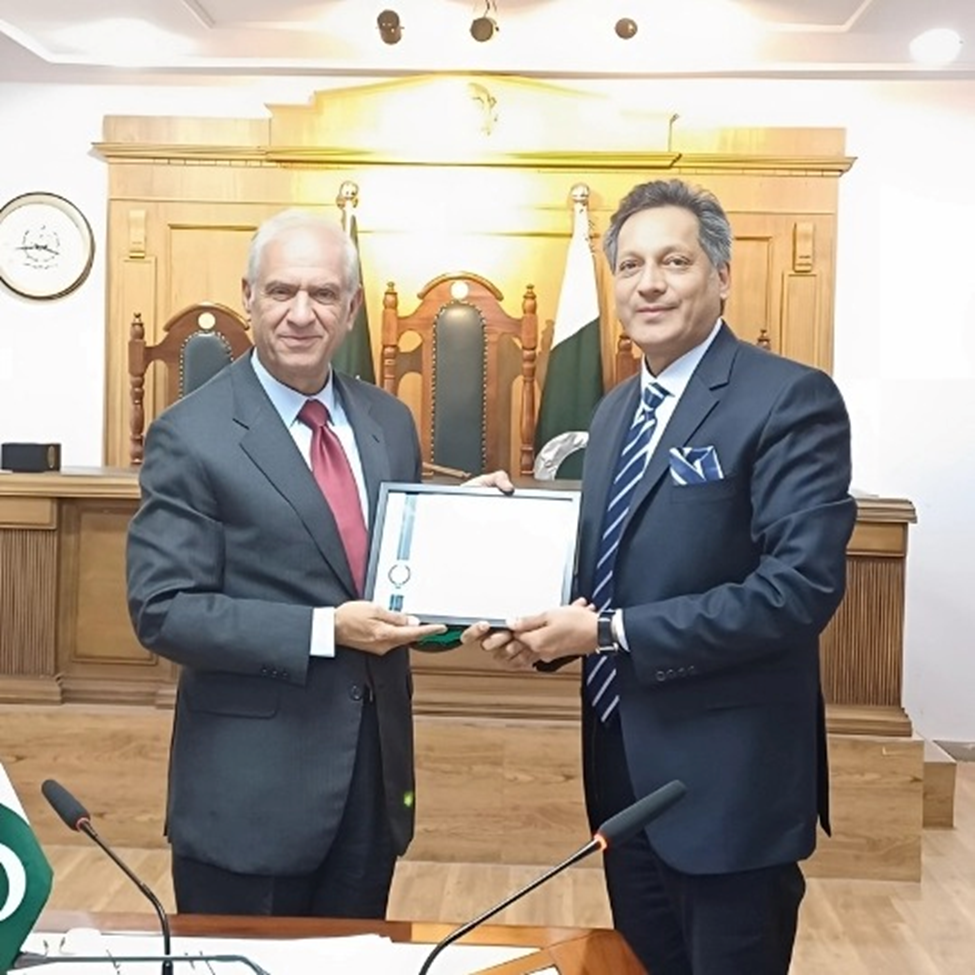
At the conclusion of the session, certificates were distributed among participants who attended the session in person at the OICOA Secretariat, while those who joined online will receive e-certificates. In a gesture of appreciation, Mr. Almas Jovindah presented a certificate to Dr. Arslan Subuctageen to acknowledge his valuable insights and contributions to the training.