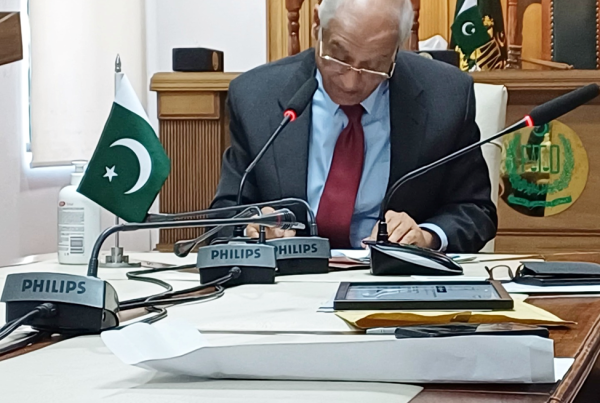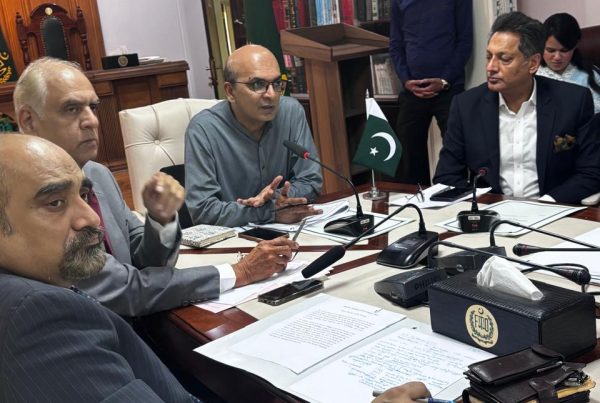
The OIC Ombudsman Association (OICOA) conducted an Online training session titled “Iran’s Innovations in Using Technology to Manage Public Complaints,” spotlighting the integration of advanced IT and AI tools in public grievance redressal systems.
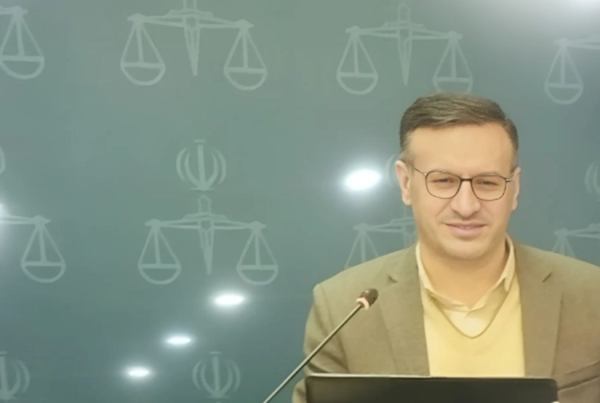
The session was moderated by Dr. Arslan Subuctageen, Director General of OICOА Trainings, and featured Mr. Mahdi Hedayatfar, Director General of Technology and Information Analysis at the General Inspection Organization of the Islamic Republic of Iran, as the lead trainer.
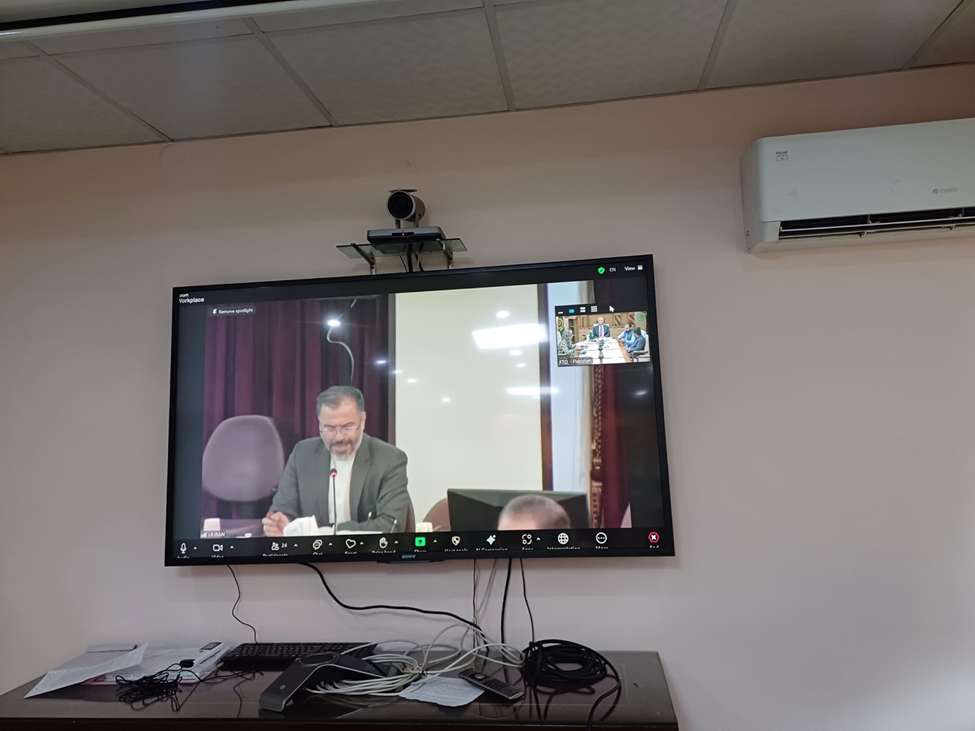
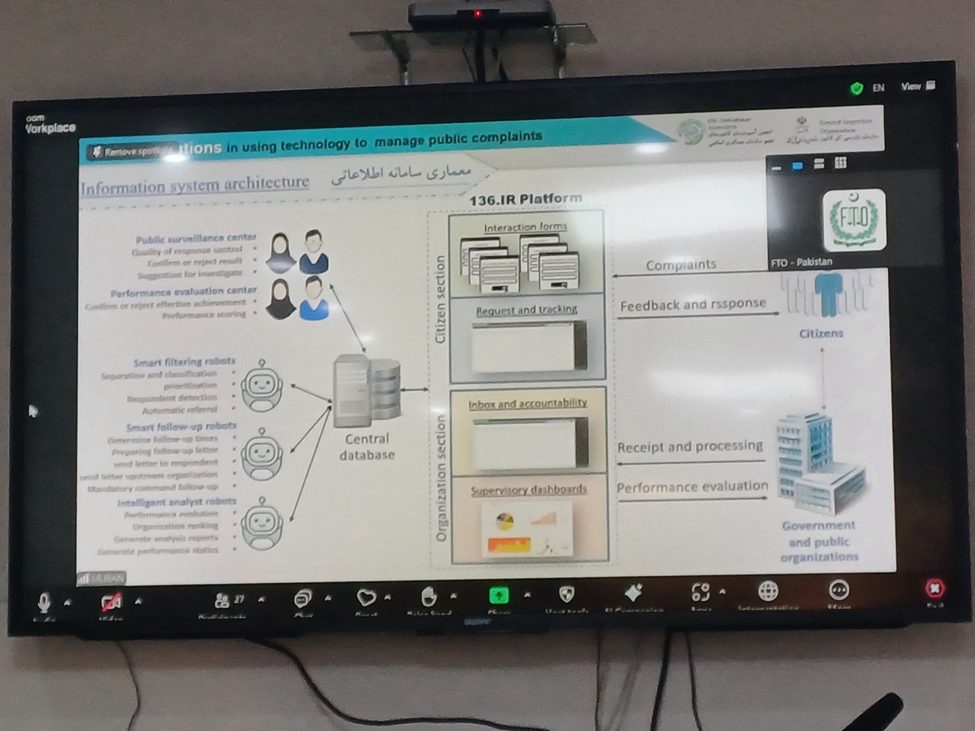
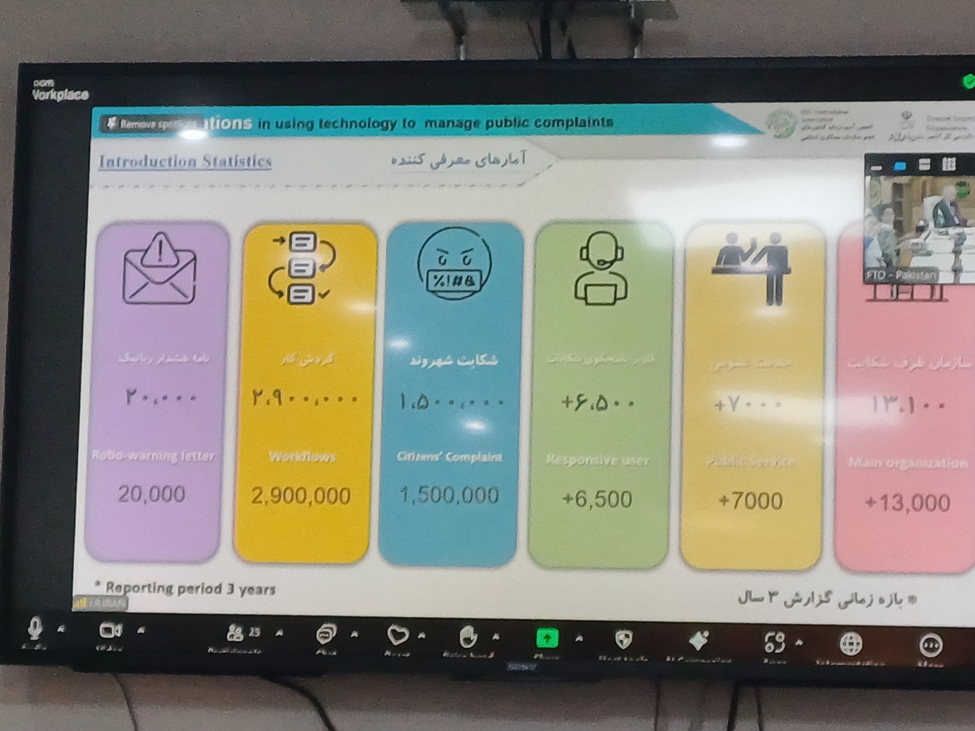
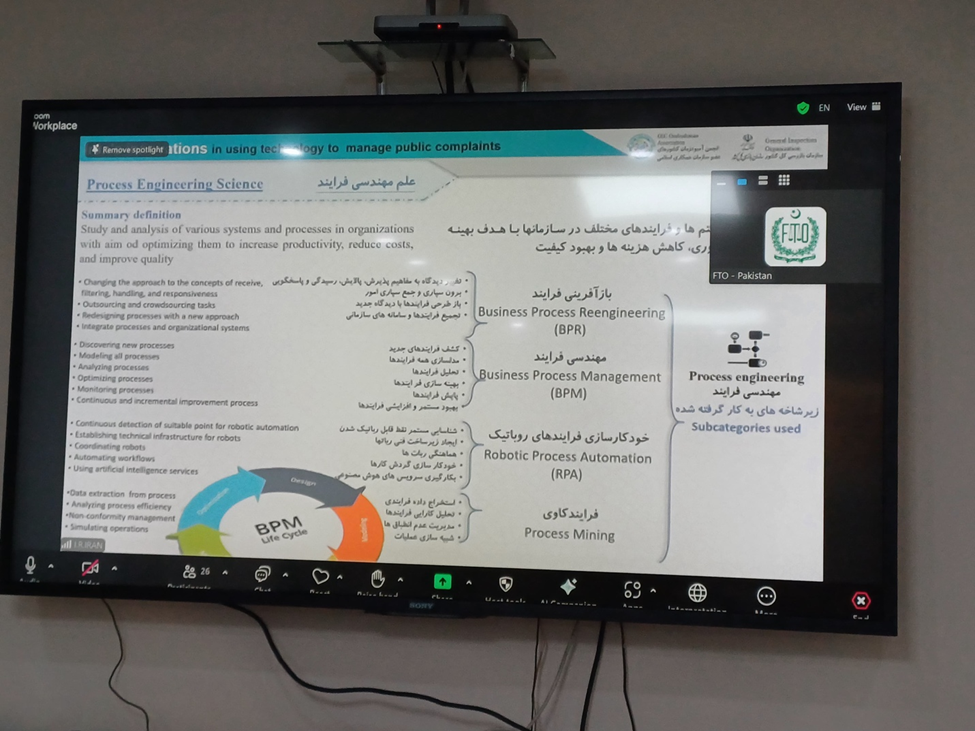
Mr. Hedayatfar delivered a comprehensive presentation on how Iran is pioneering the use of artificial intelligence and information technology in improving the responsiveness and efficiency of Ombudsman Institutions. He emphasized that technology is no longer a luxury but a necessity in managing large volumes of public complaints effectively and transparently. A highlight of the session was Iran’s deployment of the Hatef robot, an AI-powered system designed to enhance public engagement and automate the complaint-handling process. According to Mr. Hedayatfar, the Hatef robot performs several crucial functions:
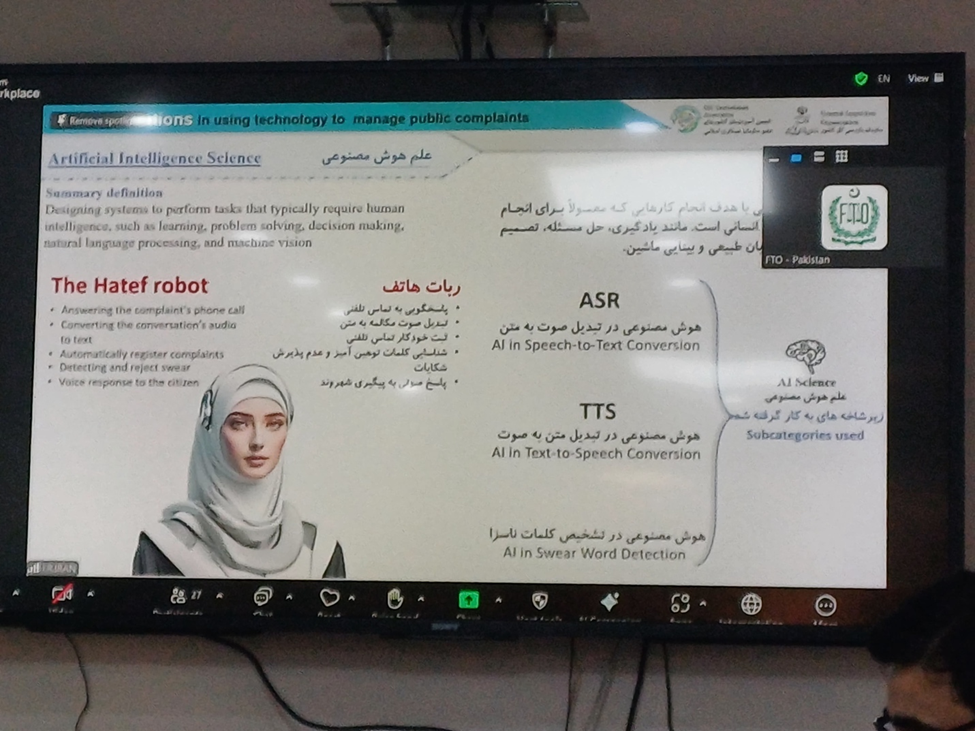
Answers complaint phone calls automatically, ensuring 24/7 availability. Converts voice conversations to text, making records easier to store and analyze. Registers complaints automatically, reducing the need for human intervention. Detects and filters inappropriate language, including swearing and abusive content. Provides voice responses to citizens, delivering instant feedback and instructions. These innovations, Mr. Hedayatfar noted, are part of a broader strategy to increase transparency, efficiency, and public trust in government institutions by ensuring every voice is heard and responded to swiftly. Participants from various OIC member countries attended the virtual session and engaged in a lively Q&A on the practical challenges and potential of adopting similar technologies in their own national Ombudsman offices. This training marks another milestone in the OICOA’s ongoing efforts to foster collaboration and knowledge-sharing among member states, especially in the area of digital transformation for public service.