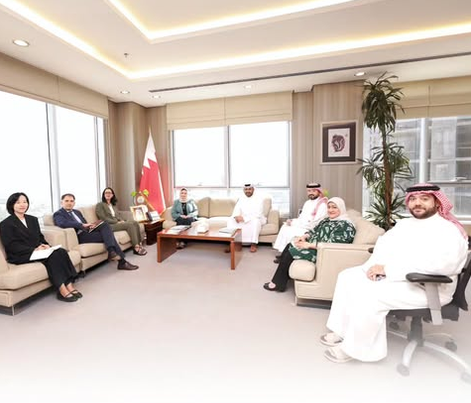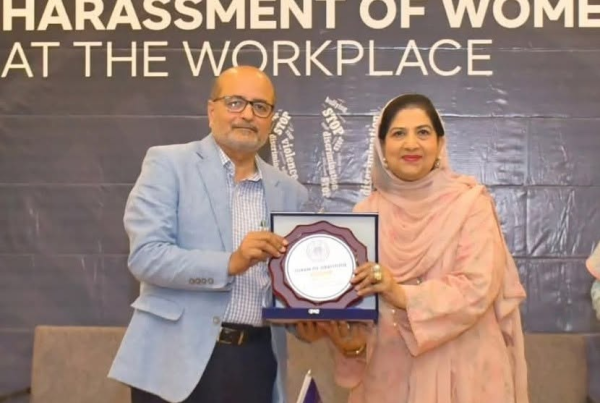
The Office of the Ombudsman Punjab welcomed Probationary Officers of the Civil Services Academy for a four-day interactive learning programme held from 20–23 July 2026, aimed at strengthening participants’ understanding of administrative justice, grievance redressal, and modern public sector governance.
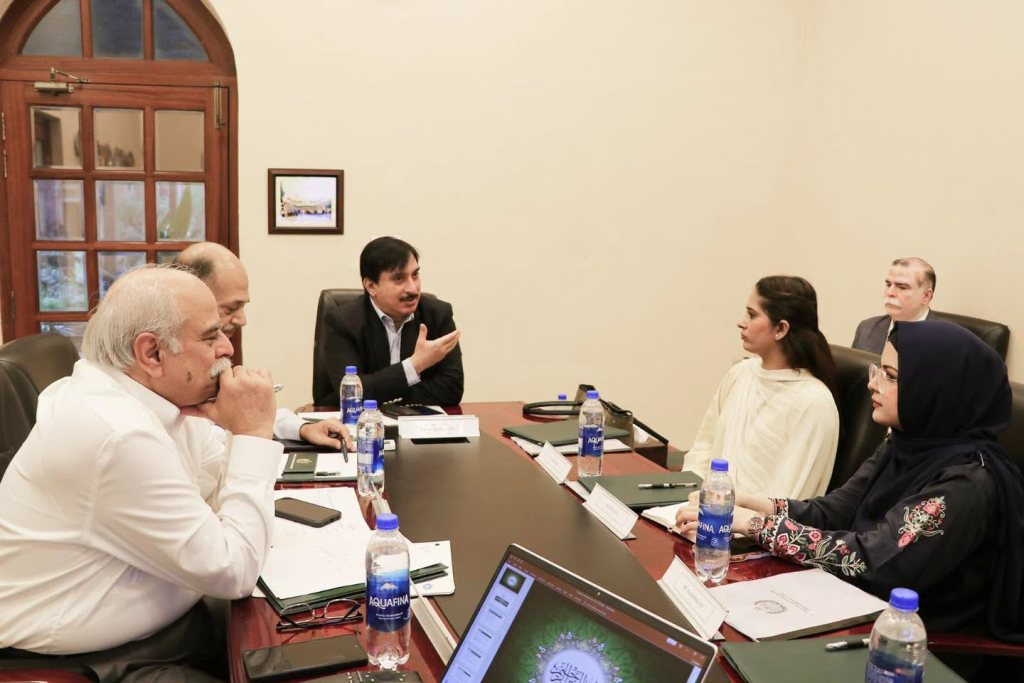
The programme provided an in-depth overview of the Office’s mandate, organizational structure, and citizen-centric complaint resolution mechanisms. Participants were introduced to the functions of the Head Office and its network of 39 Regional Offices, highlighting the Ombudsman’s role in ensuring accessible, transparent, and efficient administrative justice across Punjab.
As part of the training, officers gained valuable insights into the Office’s ISO 9001:2015 Quality Management System (QMS), which supports quality assurance and continuous service improvement. Sessions also focused on the Ombudsman Punjab Management Information System (OPMIS) and the Complaint Management Information System (CMIS), demonstrating how digital technologies are enhancing case management, operational efficiency, and public service delivery.
The programme further explored the role of innovation and digital transformation in strengthening complaint handling processes and improving institutional responsiveness to citizens’ concerns.
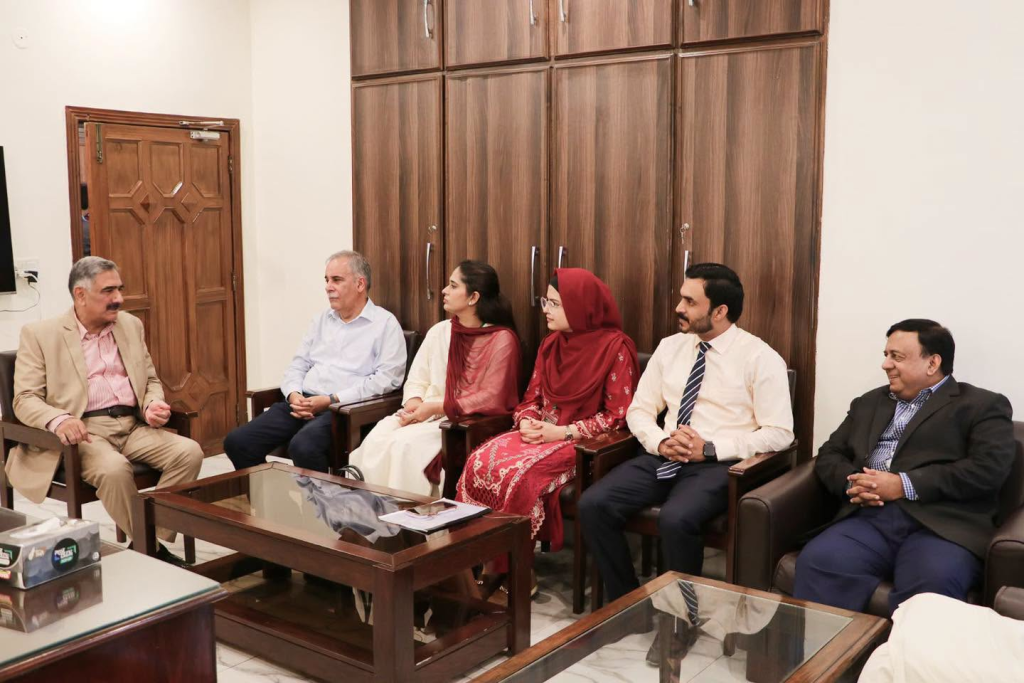
A key component of the learning programme was a field visit to the Regional Office Lahore, where participants observed the complaint registration and grievance redressal process firsthand. The visit offered practical exposure to the Office’s service delivery model and enabled participants to better understand the operational aspects of complaint handling.
Participants were also introduced to the Office’s public outreach and awareness initiatives, which aim to increase public understanding of the Ombudsman’s services and expand access to complaint registration mechanisms.
The interactive programme reflects the Office of the Ombudsman Punjab’s continued commitment to promoting good governance, institutional learning, and knowledge-sharing with future public administrators, while encouraging innovation and excellence in public service delivery.