
The Ombudsman institution in Mozambique has reported a growing number of citizens utilizing its virtual hearing system, reflecting increasing public confidence in digital mechanisms for accessing institutional services. The development also indicates rising demand for timely and efficient resolution of complaints, petitions, and requests for intervention.

The virtual hearing modality enables citizens to engage with the Ombudsman’s office without the need to travel, thereby improving accessibility across different regions of the country. Since its recent launch earlier this month, the institution has already received and assisted seven citizens from various provinces, addressing a range of concerns and providing procedural guidance for engagement with relevant public administration bodies.
On Tuesday, June 23, the Ombudsman conducted virtual hearings with two citizens from Cabo Delgado and Inhambane provinces. Both individuals expressed satisfaction with the service received and appreciated the opportunity to directly communicate with the Ombudswoman through the digital platform.The initiative is being recognized as a significant step toward bringing the institution closer to citizens, particularly those residing in remote or underserved areas where access to public services may be limited.
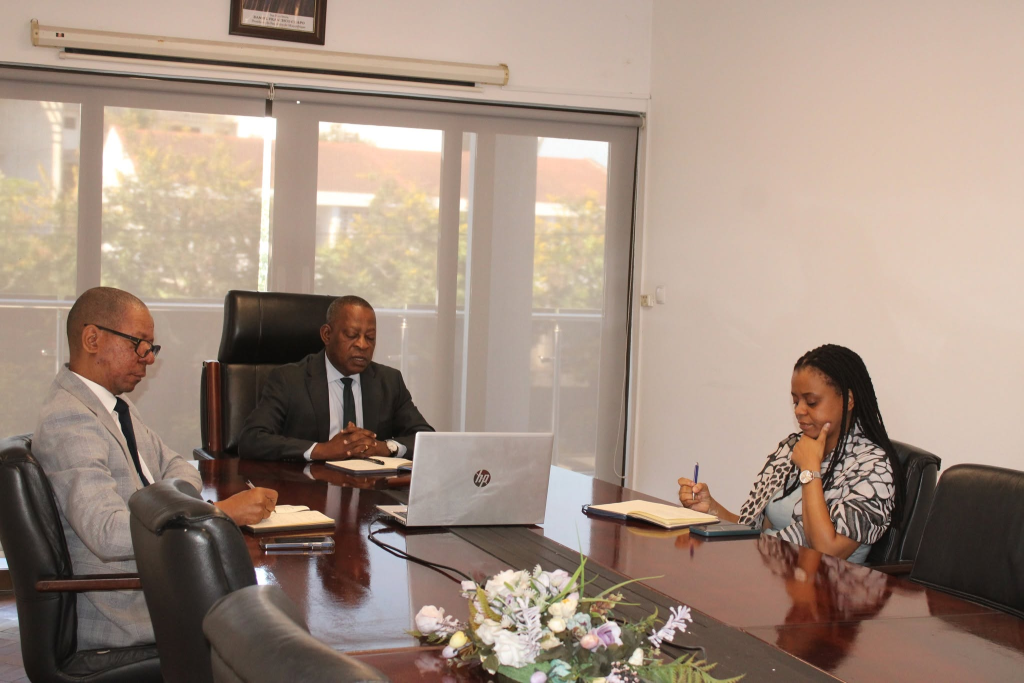
By leveraging digital platforms, the Ombudsman has enhanced the speed and inclusivity of service delivery, while also reducing the financial and logistical burden associated with physical travel.The institution has emphasized that the increasing participation rate demonstrates the potential of information and communication technologies in modernizing public administration systems and strengthening access to justice mechanisms.
Authorities believe that the continued expansion of virtual hearings will further improve responsiveness to citizen concerns and promote more effective engagement between the public and oversight institutions.Overall, the initiative is expected to reinforce transparency, efficiency, and proximity in public service delivery while fostering greater citizen participation in governance processes.