Tripoli, Libya – August 4–5, 2025
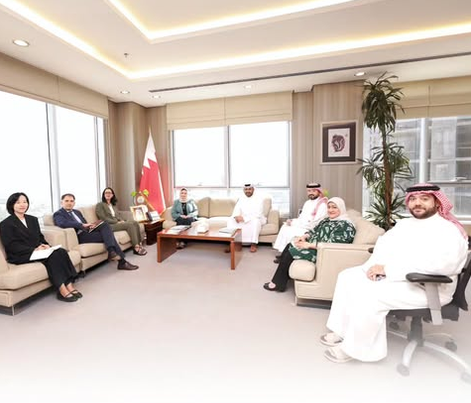
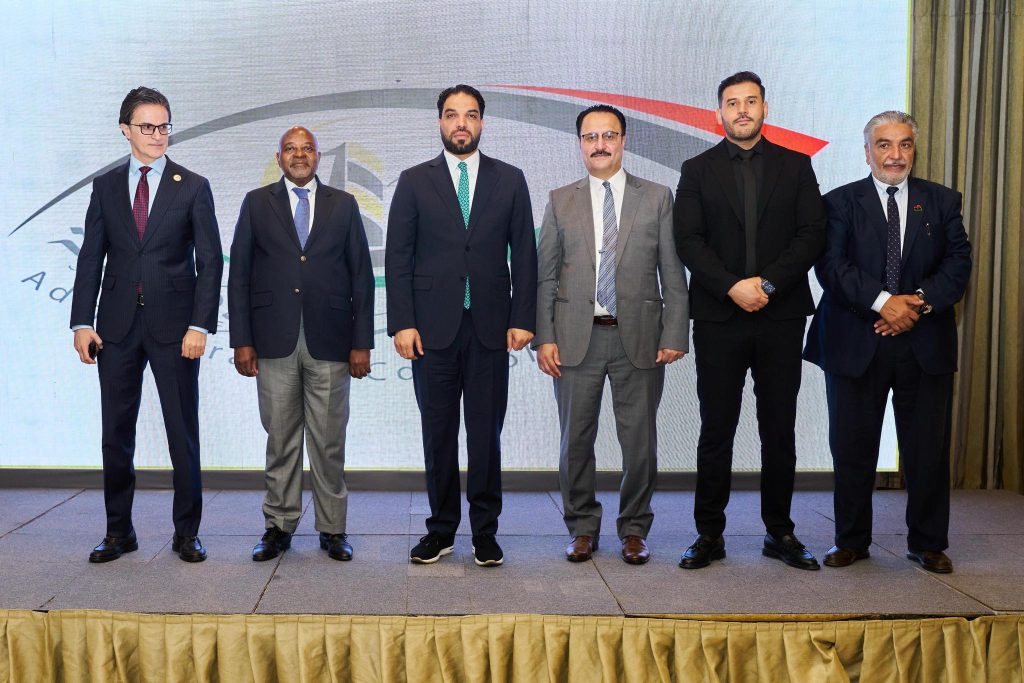
The Administrative Supervision Board, led by Chairman Abdullah Qaderbouh, in collaboration with key international partners, hosted a two-day workshop focused on promoting integrity and developing ethical behavior blogs for the private sector in Libya.
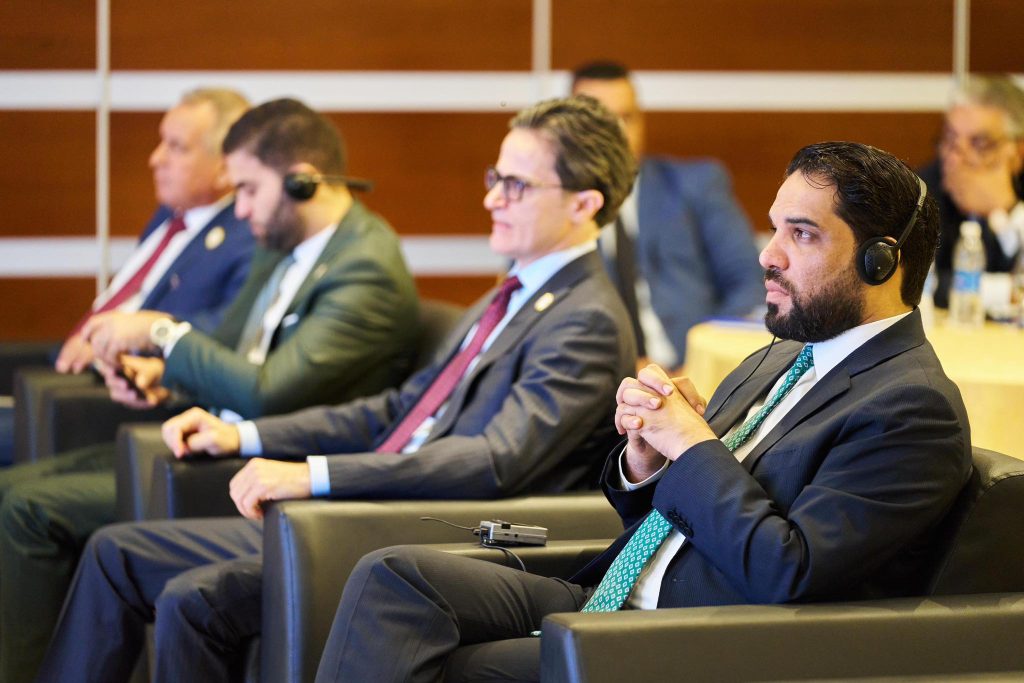
The event brought together representatives from:
- The United Nations Support Mission in Libya (UNSMIL), including Vice President Enis Chouma
- The UN Office on Drugs and Crime (UNODC)
- The French Anti-Corruption Agency
- The International Academy for Combating Corruption
- The Organisation for Economic Co-operation and Development (OECD)
- Libyan private sector leaders and supervisory officials
The workshop aimed to facilitate dialogue, share international best practices, and build a framework for ethical conduct and accountability within Libya’s growing private sector.
Discussions were grounded in the UN Convention Against Corruption, which calls on member states to foster transparency, integrity, and accountability across both public and private sectors. Participants reviewed case studies and global models to guide Libya’s next steps in strengthening ethical business governance.
As part of its broader anti-corruption efforts, the Board also highlighted the five-point National Strategic Project (2025–2030) for performance monitoring and corruption prevention, which was officially endorsed on December 9, 2024, by the Chairman of the Board and Prime Minister Abdel-Hamid Al-Dabiba, in the presence of Presidential Council Chairman Mohamed Al-Manafi, government officials, and international diplomats.
The workshop included a key initiative: the co-development of a draft guidebook for ethical private sector behavior blogs in partnership with the UNODC. These behavior blogs will serve as a practical tool to promote integrity, mitigate corruption risks, and embed international ethical standards in Libya’s business environment.
The initiative reflects Libya’s ongoing commitment to aligning with global governance norms and enhancing cooperation between oversight bodies, the judiciary, executive agencies, and the private sector to safeguard public resources and build a transparent, accountable economy.