
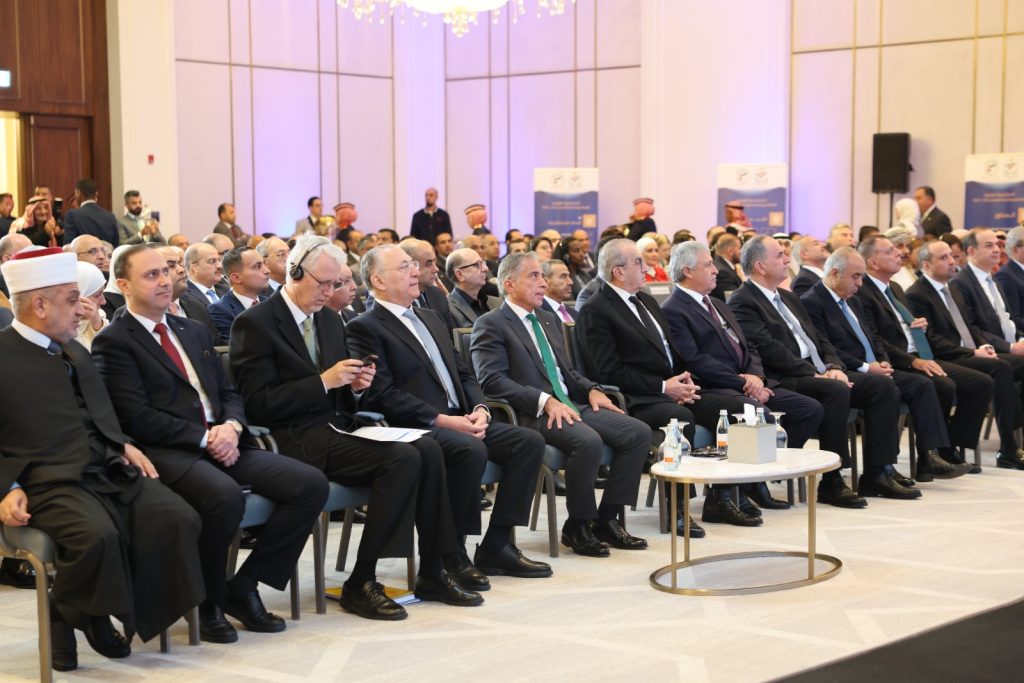
Oman, January 8 (Petra) — A delegation of His Majesty King Abdullah II, led by Prime Minister Dr. Jafar Hassan, presided over the national celebration of International Anti-Corruption Day and officially launched the National Strategy for Integrity and Anti-Corruption 2026–2030.
The ceremony, held under the slogan “Jordan is the Essence of Integrity,” was attended by ministers, senior officials, and heads of Arab and foreign diplomatic missions.
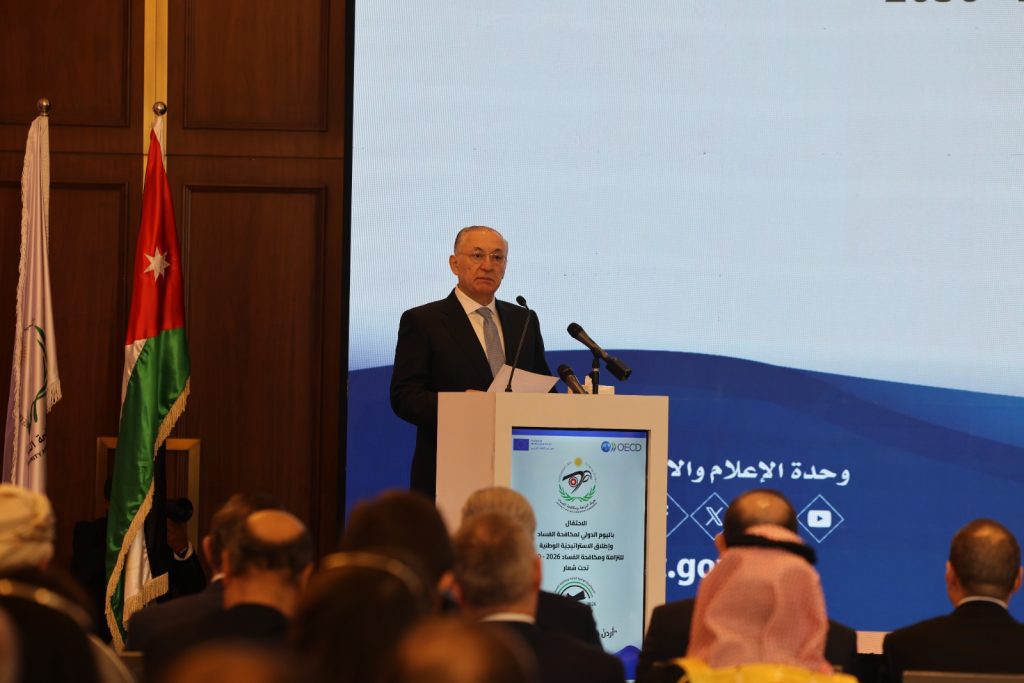
Strengthening National Integrity and Enhancing Accountability
Chairman of the Integrity and Anti-Corruption Authority, Dr. Mohannad Hijazi, emphasized that the royal patronage reflects the leadership’s unwavering support for supervisory institutions engaged in strengthening integrity, combating corruption, and improving government performance.
H.E. highlighted the Authority’s achievements in advancing transparency and protecting public funds across state institutions, stating:
“We are working toward a society free of corruption—where justice is the foundation, honesty is a guiding principle, and integrity becomes deeply rooted in public culture and trust between citizens and the state.”
Progress Reflected in National Integrity Indicators
Dr. Hijazi noted that the National Integrity Index over the past three years shows a positive alignment between political will and public administration, resulting in measurable improvements across government institutions. The five core integrity standards promoted since 2017—rule of law, transparency, accountability, justice, equality, and good governance—have become increasingly adopted across both public and semi-public sectors.
Risk Assessment in Key Sectors
The Authority has implemented structured risk assessment studies in sectors such as water, health, agriculture, and livestock, in cooperation with local and international partners, following global best practices to identify systemic weaknesses and enhance preventative mechanisms.
Dr. Hijazi also announced the upcoming launch of a Municipal Governance Indicator, a structural project designed to strengthen local governance, improve service delivery, and promote transparency in municipal decision-making.
Launch of the National Strategy 2026–2030
Formally unveiling the National Strategy for Integrity and Anti-Corruption 2026–2030, Dr. Hijazi described it as:
“A deep national vision that places integrity at the heart of Jordan’s institutional culture—an integrated system that strengthens trust, enhances performance, and drives sustainable development.”
He underscored that the strategy aligns with royal directives, which reaffirm that the rule of law depends on a solid integrity framework and that political, economic, and administrative reforms are incomplete without transparency, accountability, and good governance.
The strategy prioritizes prevention before accountability, aiming to instill ethical values, strengthen oversight systems, and ensure that public officials and citizens alike uphold their responsibilities in protecting national resources.
International Partners Highlight Progress
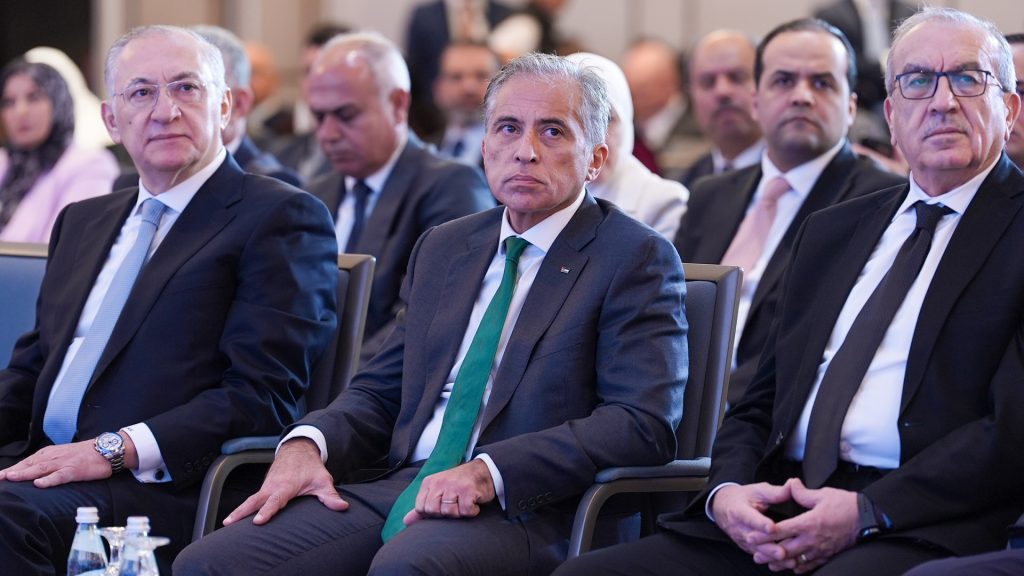
Deputy Director of the Public Governance Directorate at the OECD, Yanush Bertok, commended Jordan’s collaboration with the organization in developing the strategy. He stressed that corruption poses a significant threat to global security, stability, and economic growth, and that effective governance requires robust anti-corruption measures.
EU Ambassador to Jordan, Pierre Christophe Shatzisavas, reaffirmed the strong partnership between Jordan and the European Union, noting Jordan’s positive progress in global integrity indicators following the implementation of its Comprehensive Modernization Program.