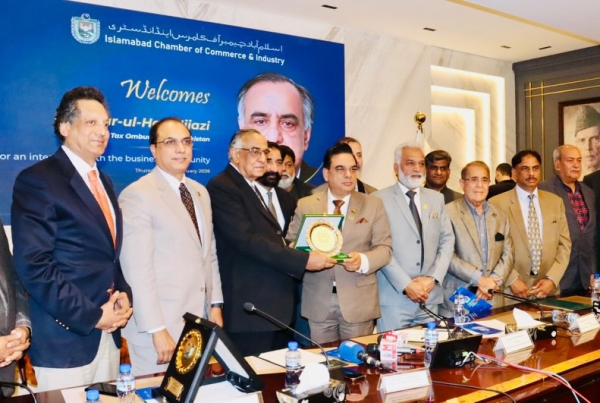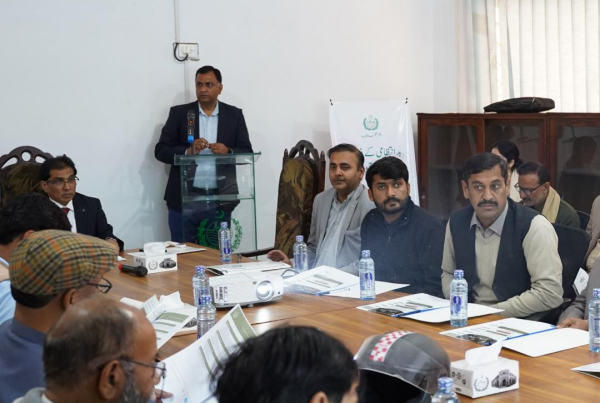
Amman — As part of the launch of the National Strategy for Integrity and Anti-Corruption 2026–2030, and in conjunction with International Anti-Corruption Day, the Integrity and Anti-Corruption Authority organized a high-level dialogue session under the slogan “Prosperous Jordan, the Essence of Integrity.” The event brought together ministers, senior officials, and heads of Arab and foreign diplomatic missions.
The session reviewed the contributions of the EU-funded “Together” project, its role in supporting public sector reform, and initiatives aimed at strengthening a culture of integrity and transparency across government institutions.
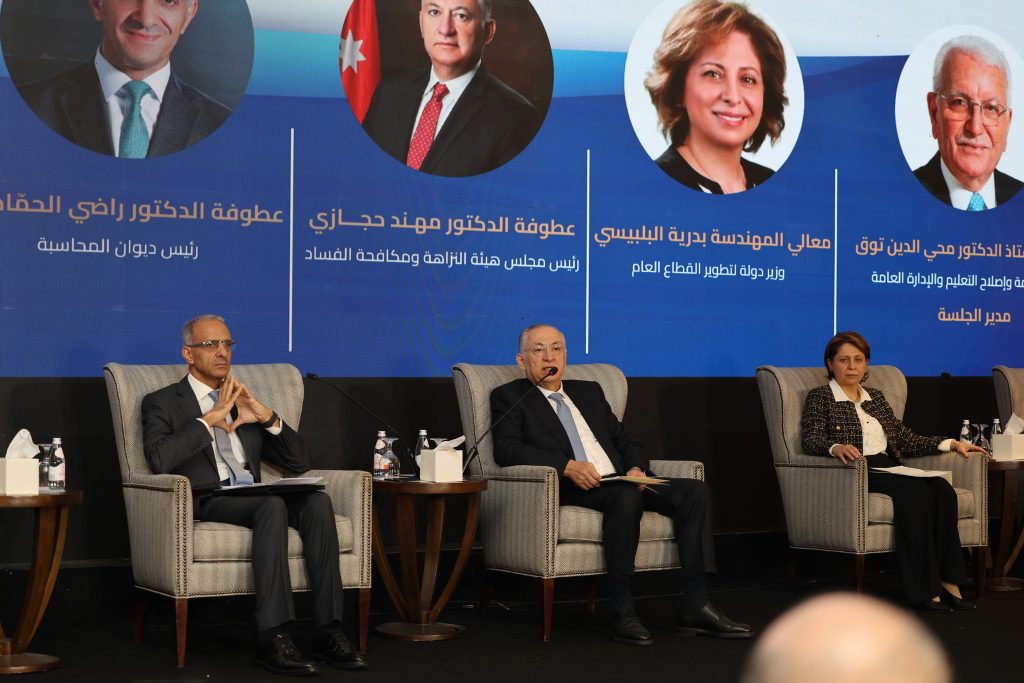
Government Outlines Priorities for Administrative Reform
Minister of State for Public Sector Development, Eng. Badria Al-Bilbisi, reaffirmed the government’s commitment to administrative modernization through the second executive program of the Public Sector Modernization Roadmap (2026–2029). She emphasized that integrity must be embedded in every public service and decision, ensuring fairness and clarity as a citizen’s inherent right.
Al-Bilbisi noted that the program focuses on:
- Adopting proactive, life-event–based service delivery
- Eliminating redundant procedures
- Enhancing operational efficiency through the E-Government Operating System (EO)
- Strengthening mechanisms to capture the citizen’s voice
- Developing frontline staff as integrity ambassadors
- Implementing strategic performance management and results-based accountability
Shift Toward Preventive and Risk-Based Integrity Systems
Chairman of the Integrity and Anti-Corruption Authority, Dr. Mohannad Hijazi, highlighted a significant shift in anti-corruption policy—from traditional enforcement to a preventive, risk-based, and institution-centered approach. He noted that this transformation is central to the new national strategy.
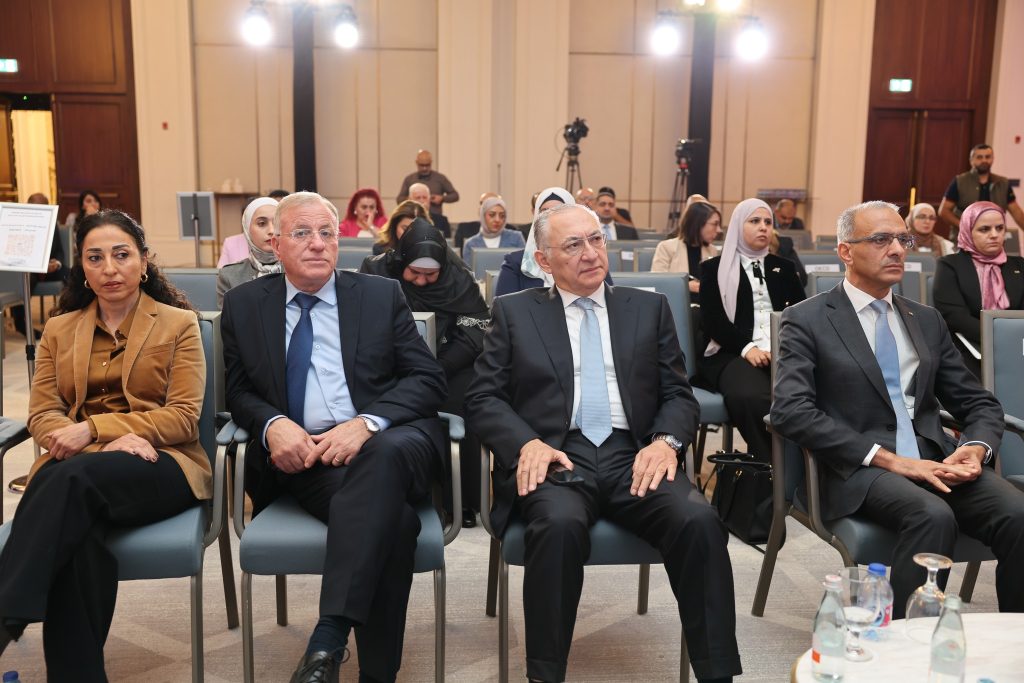
Hijazi pointed to key achievements, including the National Integrity Index, which recorded a 14% improvement in public sector compliance between 2022 and 2024. He also underscored expanded sectoral risk assessments in vital areas such as health, agriculture, education, and tourism, along with enhanced digital surveillance, cybersecurity initiatives, and specialized intelligence units.
Digital Transformation as a Driver of Integrity
Secretary-General of the Ministry of Digital Economy and Entrepreneurship, Samira Al-Zaabi, announced that 80% of government services have now been digitized, with full digitization targeted by 2026. She stressed that digitalization reduces human contact, minimizes corruption risks, and enhances service transparency through open data, improved governance tools, and the unified government communication portal.
Strengthening Financial Transparency and Oversight
Chairman of the Audit Bureau, Dr. Razi Al-Hamadeen, outlined the Bureau’s strategic vision for 2021–2027, focusing on professional auditing standards, including the implementation of ISSAI 140. He highlighted plans for expanded performance auditing, enhanced independence, and the creation of an Arab Investigation Institute to position Jordan as a regional leader in governance and oversight.
International Partners Commend Jordan’s Progress
President of Italy’s National Anti-Corruption Authority, Dr. Giuseppe Buscia, emphasized that transparency and anti-corruption measures must be seen as tools that enhance efficiency, not obstacles. He noted the vital role of technology in achieving these goals.

From the OECD, Dr. Miriam Allam praised the strong partnership with Jordan and stressed that modernization efforts must ensure digital transformation benefits all segments of society, particularly women and youth. She affirmed that Jordan is emerging as a regional model for evidence-based governance.