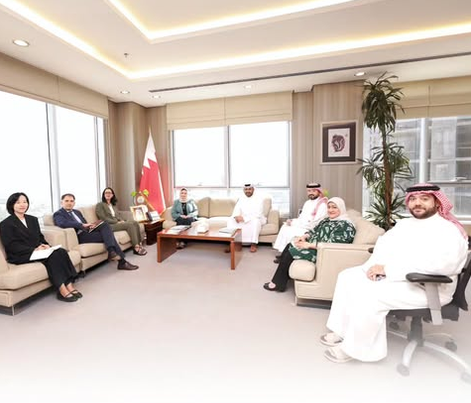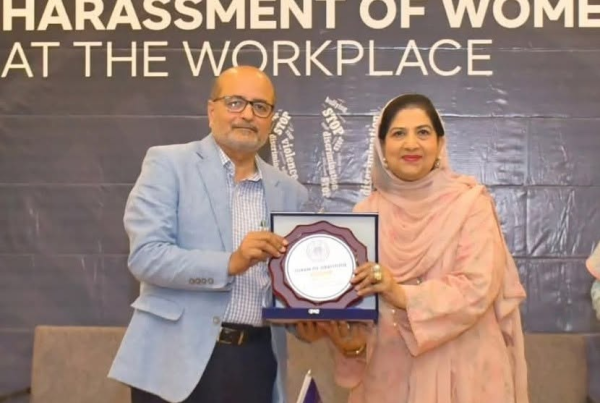
A meeting was held on January 26 to discuss the International Ombudsman Institute (IOI)–Organisation for Economic Co-operation and Development (OECD) Engagement Strategy under the framework of the IOI Working Group on the United Nations and International Organizations.
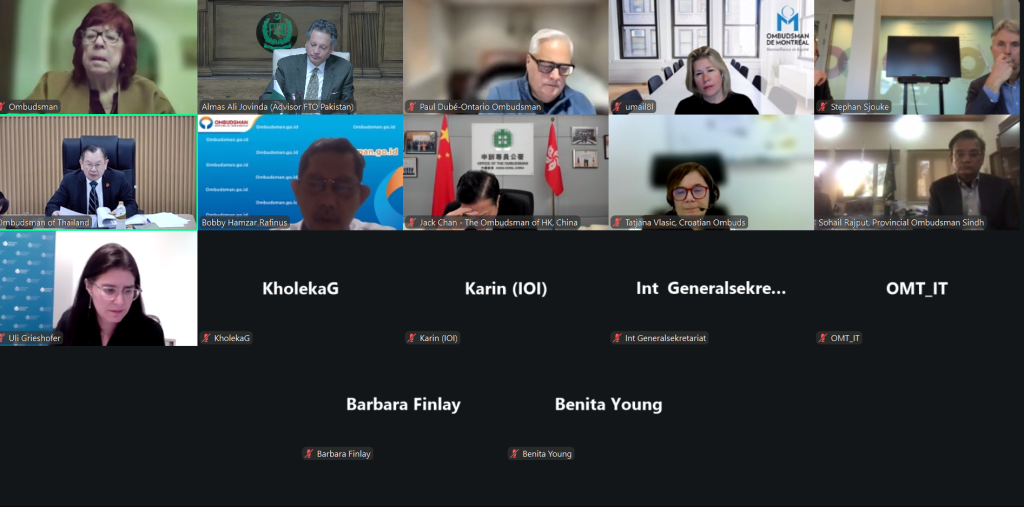
The session focused on developing a structured cooperation plan between the IOI and the OECD, aimed at strengthening public integrity, administrative justice, tax governance, digital fairness, environmental oversight, and institutional accountability, in line with Sustainable Development Goal 16 (SDG 16).
Participants highlighted the critical role of Ombudsman institutions as frontline accountability mechanisms and stressed the importance of inclusive, regionally representative cooperation across IOI member institutions. Key areas of discussion included anti-corruption measures, effective complaint-handling systems, fair tax administration, environmental governance, digital and artificial intelligence fairness, and global benchmarking of oversight institutions.
It was noted that the Federal Tax Ombudsman Secretariat, as the designated lead on OECD engagement within the IOI Working Group, will initiate formal outreach to the OECD in coordination with the IOI Secretariat. The objective is to ensure structured dialogue, knowledge sharing, and long-term institutional collaboration.
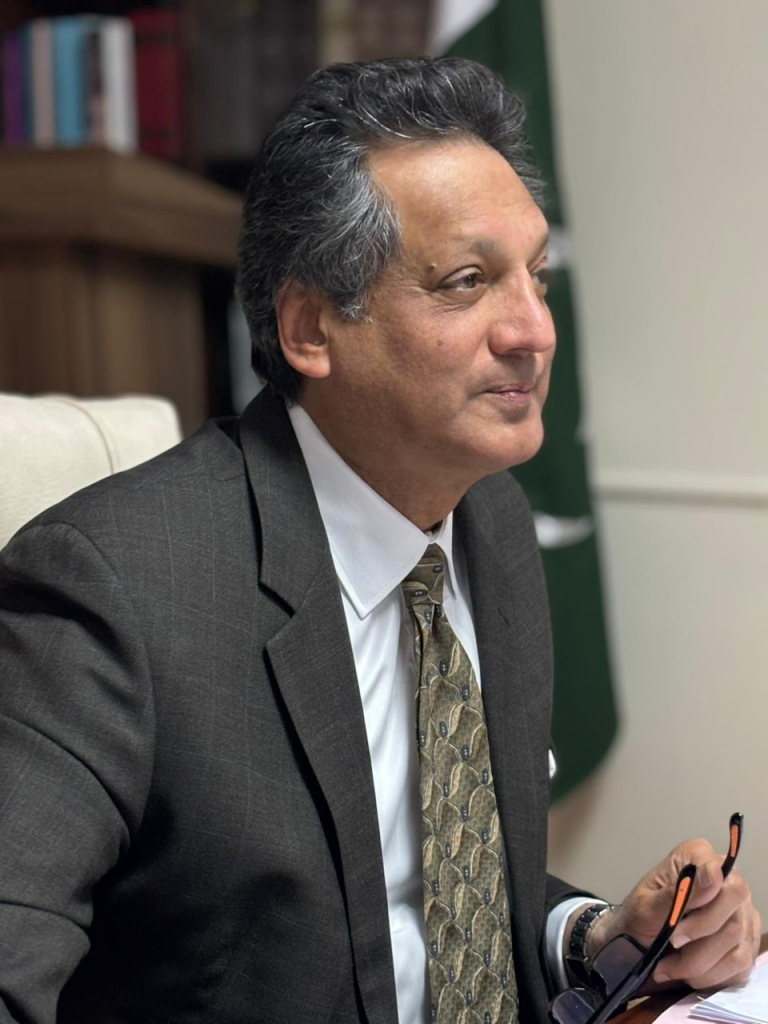
The meeting further acknowledged that Almas Ali Jovindah, Executive Secretary of the Forum of Pakistan Ombudsman and Advisor Legal at the Federal Tax Ombudsman Secretariat, is voluntarily heading the OECD Sub-Group of the IOI Working Group on the UN and International Organizations and represented the Federal Tax Ombudsman in this engagement.
The International Ombudsman Institute, the world’s leading global organization of independent Ombudsman institutions, represents oversight bodies from more than 100 countries and works to promote accountability, transparency, and good governance worldwide.