
Amman — The Integrity and Anti-Corruption Authority announced that it has completed the preparatory stages of its National Strategy 2026–2030, following a consultative meeting held on Monday with representatives from government and private sectors, civil society organizations, and religious leaders.
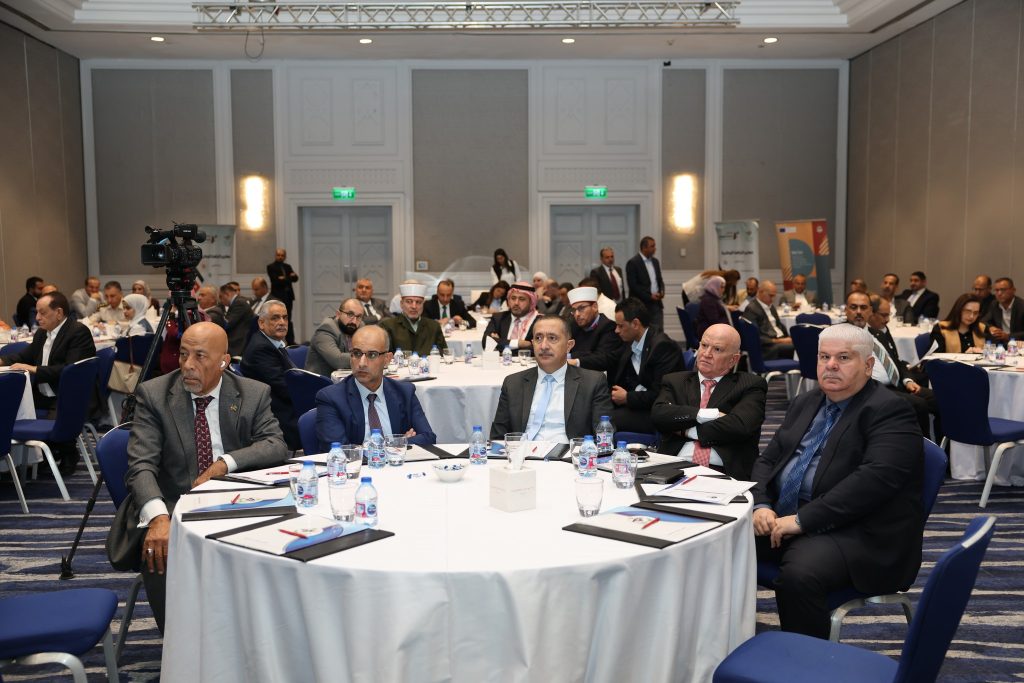
Board Member Hazem Majali emphasized the importance of the session in strengthening national dialogue and cooperation among institutions. He noted that the strategy is being developed in partnership with the Organisation for Economic Co-operation and Development (OECD), and aims to build a transparent, accountable, and sustainable national integrity system in line with the Royal vision of a state grounded in the rule of law.
Over recent months, the Authority has undertaken evidence-based strategic planning measures, including evaluation of the previous strategy, identification of key challenges, and assessment of future opportunities. These steps were carried out through workshops and joint consultations involving diverse national stakeholders, with the goal of improving institutional performance and reinforcing public trust.

The meeting sought to expand participation and gather observations and recommendations to ensure the new strategy reflects the aspirations of Jordanian society—highlighted by the inclusion of both Islamic and Christian clerics in the consultation process.
The Authority underscored that combatting corruption is a collective responsibility requiring a culture of integrity in public and private sectors. Effective institutions, fair application of the law, and genuine accountability are essential to restoring trust, advancing development, and achieving sustainable reform.
During the session, participants reviewed an editable version of the revised vision and mission statements. The proposed vision reads:
“A prosperous Jordan, the jewel of integrity, renewing society’s confidence in its institutions and achievements.”
The mission focuses on:
“A public administration working with integration and strategic partnership to protect public funds, preserve national gains, and promote the values of integrity and justice.”
The draft strategy emphasizes modern approaches in anti-corruption efforts, including legislative updates, corruption risk management, digitization, artificial intelligence, national integrity standards, and secure reporting channels—positioning Jordan as a regional model in promoting integrity and accountability.

The strategy is built on eight core value pillars: integrity, transparency, accountability, competence and effectiveness, justice and equality, cooperation and partnership, active citizenship, and sustainability. These pillars aim to enhance clarity of information, equal opportunities, oversight mechanisms, community reporting, institutional cooperation, and responsible resource management for current and future generations.