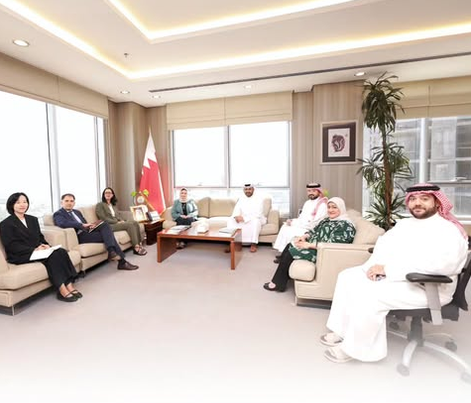
The Institution of the Mediator of the Kingdom—a member institution of the Organization of Islamic Cooperation Ombudsman Association (OICOA)—affirmed that the current institutional and national political context constitutes a strong catalyst for administrative and facilitated mediation.
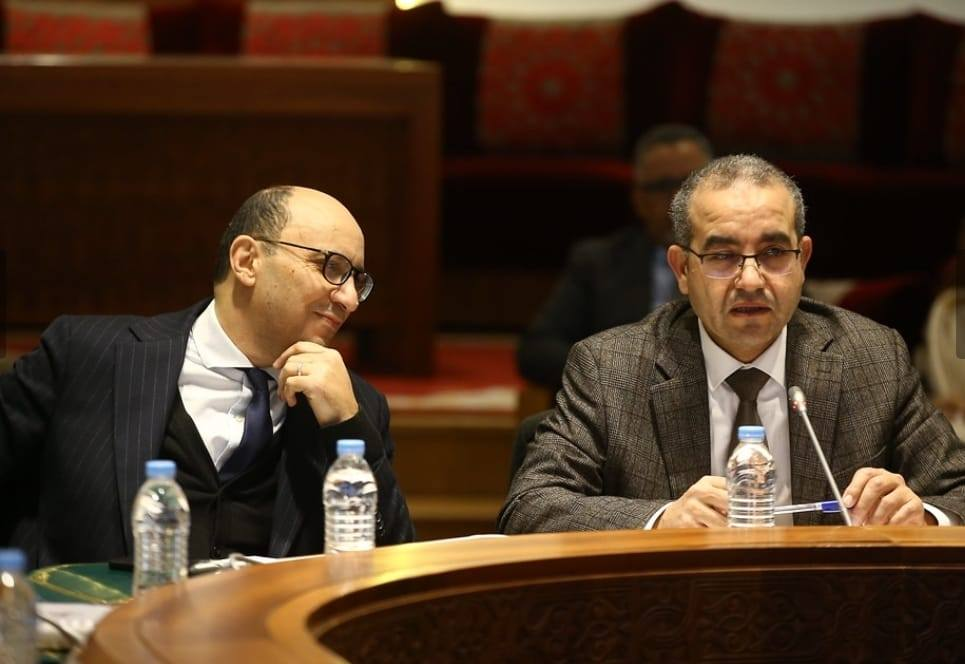
Addressing the House of Representatives during a special session dedicated to the presentation and discussion of the 2024 Annual Report of the Institution, the Kingdom’s Mediator, Hassan Tariq, emphasized that the Royal Proclamation designating 9 December as the National Day for Facilitated Mediation represents a significant milestone in consolidating the culture of mediation and evaluating its role within public administration.
Mr. Tariq noted that the prevailing institutional context is marked by a “new momentum” within governance structures. He highlighted that, for the first time in the history of the Institution, the annual report was submitted within the legally prescribed timeframe, reflecting a growing culture of cooperation and institutional integration between constitutional bodies, Parliament, and representative institutions.
Presenting key findings of the report, the Mediator explained that Moroccan public administration increasingly represents the intersection point between social demands and public policies. He observed that citizens now perceive the administration as the primary source of responses to their social concerns, a dynamic that inherently generates tension in the relationship between citizens and public authorities.

According to the 2024 statistics, the Institution received 7,948 mediation-related files, of which 5,755 files (72.41%) fell within the Institution’s substantive jurisdiction, reflecting a continued increase in demand for mediation services. From a thematic perspective, administrative disputes accounted for 2,325 files, followed by financial disputes (1,761 files) and real estate disputes (926 files). These categories together represented more than 87% of the total admissible files, underscoring persistent areas of tension in administrative, financial, and property-related relations.
Mr. Tariq further emphasized that the processing of complaints through the Institution’s integrated approach—comprising grievance handling, guidance, and amicable settlement—remains central to fulfilling its constitutional and legal mandate. In this regard, the report indicated that 5,774 grievance files were processed in 2024, compared to 5,448 in 2023, while 2,182 guidance files were handled, up from 1,836 the previous year. Additionally, ten requests for amicable settlement were processed during the reporting period.
The Mediator concluded that the annual report assessed the responsiveness of public administration to the Institution’s interventions through a set of indicators, including implementation of recommendations, reconciliation decisions, financial outcomes, amicable settlements, and time-related performance metrics.
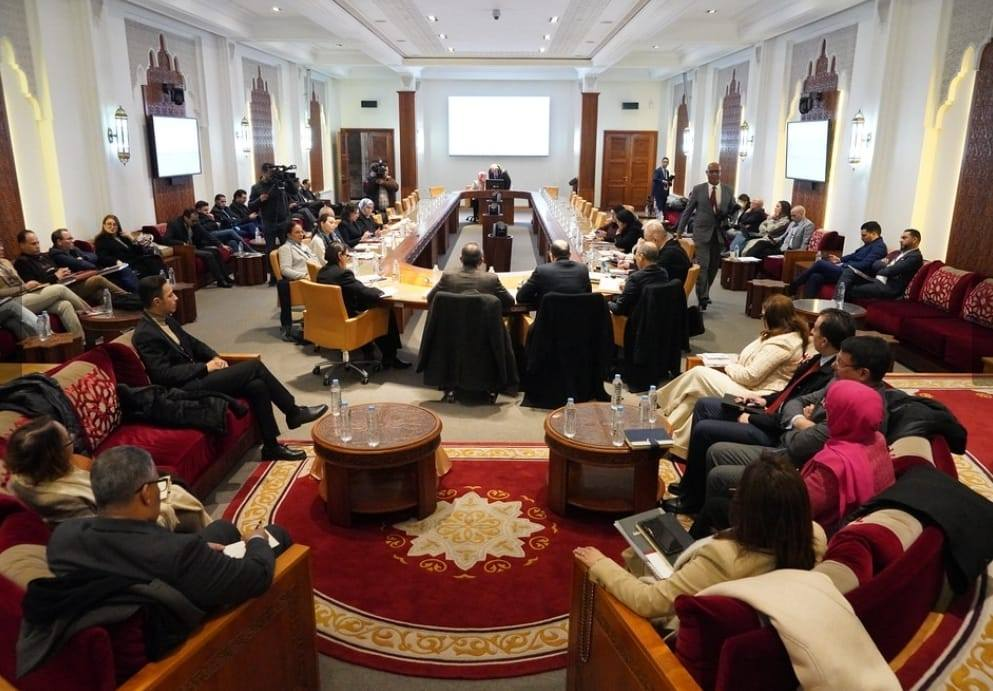
Members of Parliament commended the report for its comprehensive data and analytical depth, underscoring the pivotal role of the Mediator Institution in promoting good governance, strengthening accountability, and safeguarding citizens’ rights amid growing socio-economic pressures. Deputies also highlighted the importance of reinforcing follow-up and enforcement mechanisms to ensure effective implementation of the Institution’s recommendations.
Parliamentarians further stressed the need to entrench mediation as a preventive governance approach within public administration—based on listening, simplification of procedures, and respect for response timelines—to reduce administrative disputes and strengthen public trust in state institutions. They also emphasized the importance of enhanced institutional synergy between Parliament and the Mediator Institution, particularly in translating annual report findings into tangible legislative and oversight reforms.