The General Inspection Organization of Iran, a member institution of Organization of Islamic Cooperation Ombudsman Association, has reaffirmed the importance of science-based oversight and preventive governance approaches in strengthening administrative integrity, combating corruption, and protecting public rights.
In a message marking the organization’s third participation in the International Book Fair, Zabihollah Khodaeiyan, President of the General Inspection Organization of Iran and vice president of OICOA, emphasized that oversight in the era of institutional transformation and national development must remain firmly grounded in knowledge, research, and expertise.
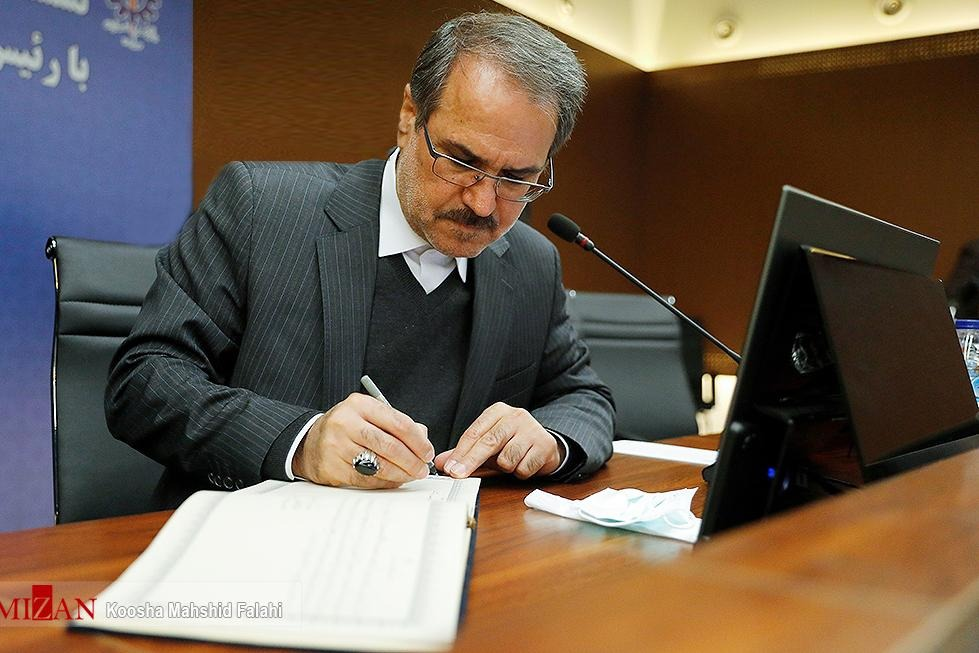
According to the statement issued by the Public Relations Office of GIO, Khodaeiyan noted that combating corruption should not be viewed solely as a reactive or punitive process, but rather as a scientific, preventive, and values-based approach aimed at strengthening governance systems and institutional accountability.
He highlighted the establishment of the Center for Administrative Health Education and Research as a strategic initiative designed to serve as the organization’s intellectual and research arm in developing expert-driven anti-corruption and governance frameworks.
The President of GIO stated that the integration of education, research, and publishing activities has produced significant outcomes, including the presentation of approximately 150 scientific and specialized publications during the International Book Fair.
Khodaeiyan further emphasized the organization’s forward-looking role in advancing transparency, managing conflicts of interest, and supporting legislative and legal reforms across the three branches of government. He noted that the organization has contributed scholarly and technical support to major national legislation, thereby strengthening the intellectual foundations of Iran’s legal and governance systems.
The statement also highlighted increasing demand from executive institutions seeking to benefit from the organization’s scientific outputs and governance models aimed at promoting administrative health and reducing corruption risks through preventive mechanisms.
Reaffirming the organization’s strategic priorities for the Iranian year 1405 (2026–2027), Khodaeiyan emphasized that enhancing public trust, institutional transparency, and social capital remains central to the organization’s vision.
He concluded by stressing that knowledge and scientific expertise constitute the organization’s primary tools for safeguarding public resources, strengthening integrity within public administration, and advancing effective governance practices.
The initiative reflects the continued commitment of the General Inspection Organization of Iran toward promoting transparency, institutional accountability, anti-corruption efforts, and knowledge-based governance reforms.