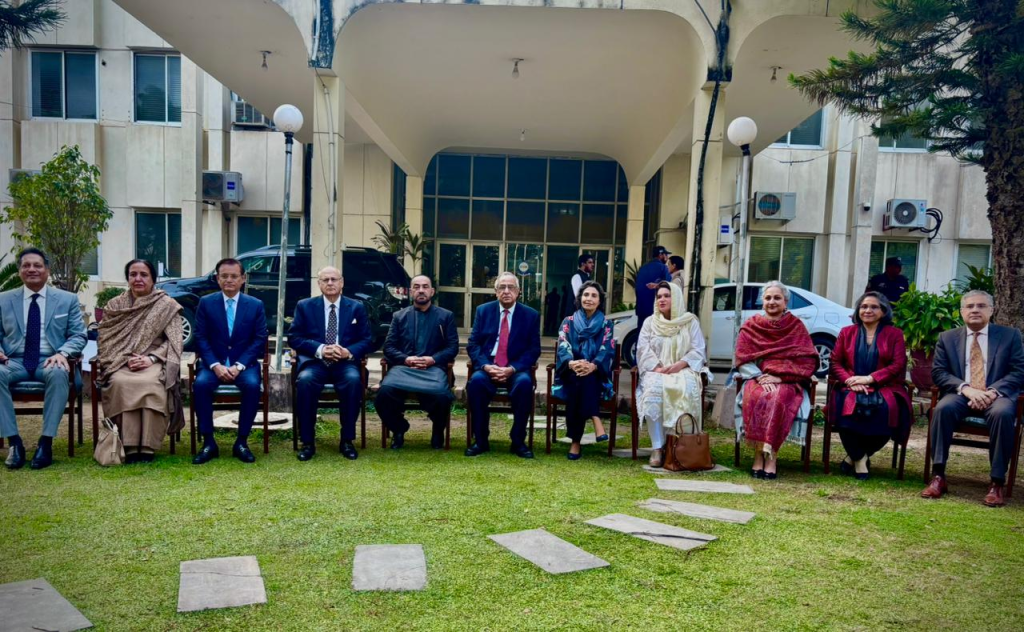
Islamabad: The Federal Tax Ombudsman (FTO) Secretariat hosted the 31st meeting of the Forum of Pakistan Ombudsman (FPO) in Islamabad, bringing together Ombudspersons from across the country for an introductory and consultative session aimed at strengthening institutional coordination and public service delivery.
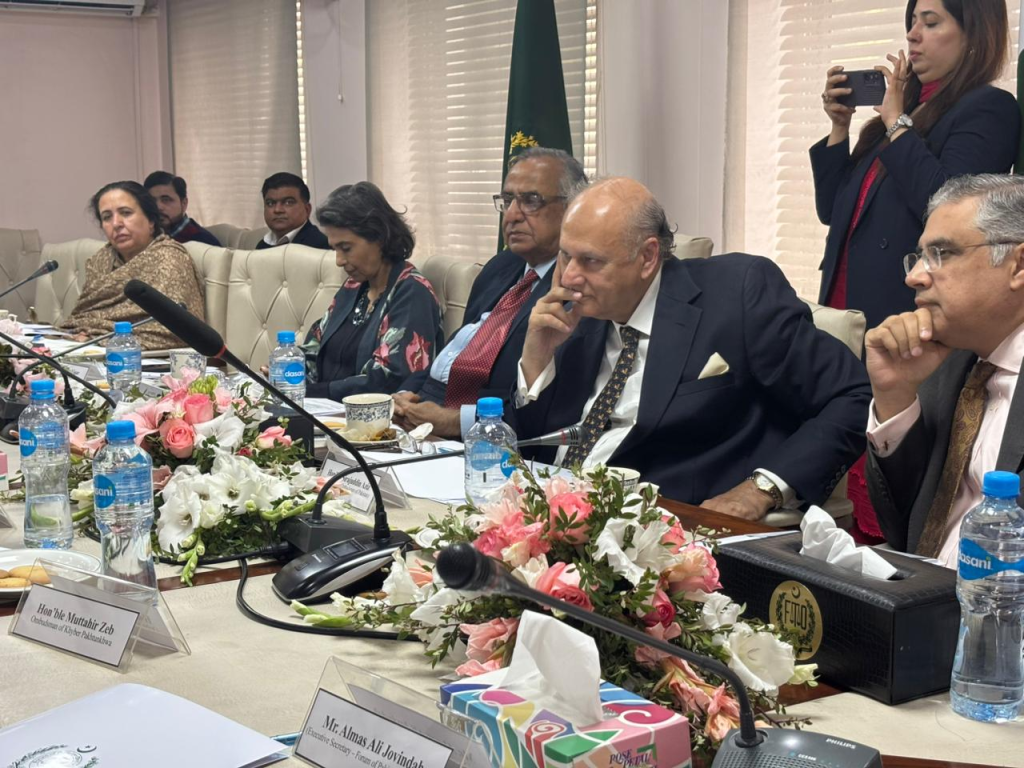
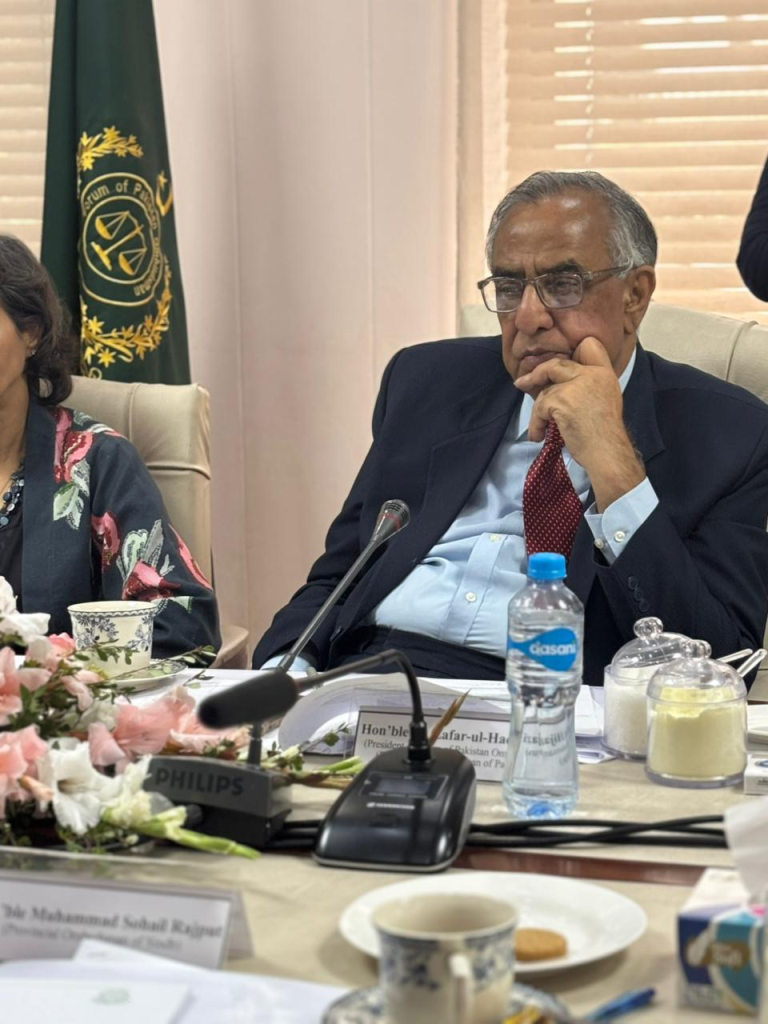
The meeting was chaired by Zafar ul Haq Hijazi, Federal Tax Ombudsman, who welcomed the participants and outlined key priorities for Ombudsman institutions. These included the effective use of information technology, procedural uniformity, enhanced inter-institutional coordination through the FPO, and stronger public outreach mechanisms.
Mr. Hijazi emphasized that public awareness about Ombudsman institutions remains limited, particularly among the general public, and underscored the need for simplified and citizen-friendly outreach strategies to ensure easier access to grievance redressal mechanisms. He also highlighted the importance of institutional experience when electing representatives to key positions within the FPO.
During the meeting, members acknowledged notable international achievements by Pakistani Ombudsman institutions. These included the election of Ayesha Hamid, Ombudsman Punjab, as Vice President of the International Ombudsman Institute, and Sohail Rajput, Ombudsman Sindh, as Director of the IOI. Participants also congratulated Ejaz Ahmed Qureshi on his election as President of the Asian Ombudsman Association.
The proceedings were formally initiated by Almas Ali Jovindah, Executive Secretary of the Forum of Pakistan Ombudsman, who presented an overview of recent national and international engagements of FPO member institutions.
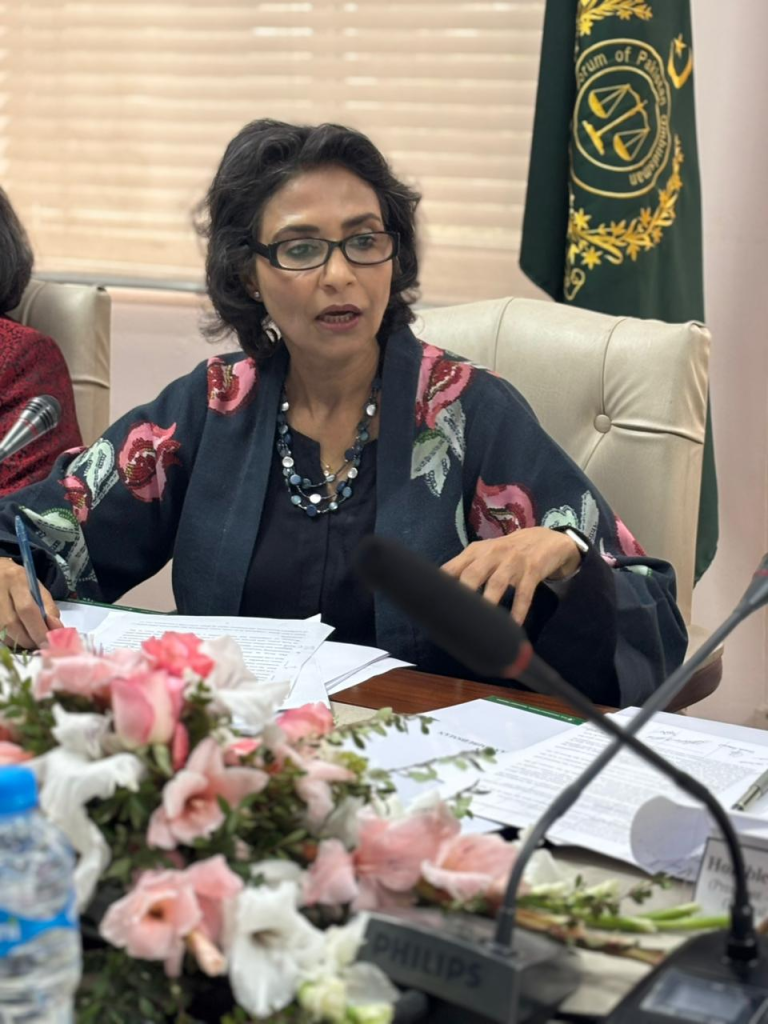
Policy discussions focused on digitization, the use of emerging technologies, and legal reforms to enhance efficiency and accountability. Fauzia Viqar highlighted the importance of robust IT systems and the responsible application of artificial intelligence to improve service delivery while safeguarding transparency and fairness.
Former Ombudspersons shared best practices adopted by their institutions, including the organization of conferences, public awareness initiatives, and the introduction of online training programs during the COVID-19 period.
The newly appointed Ombudsman Khyber Pakhtunkhwa, Rubab Mehdi, stressed the need for amendments to existing by-laws to improve institutional responsiveness and effectiveness. The Forum welcomed her appointment and expressed confidence in collaborative efforts to advance institutional reforms and promote gender equity.
Providing an overview of the Federal Ombudsman’s performance, Ali Tahir, Secretary to the Federal Ombudsman, reported that by December 2025 more than 242,000 complaints had been handled, resulting in public relief of approximately Rs. 9.46 billion. He also highlighted the expansion of Ombudsman offices to 28 cities and the strengthening of digital outreach initiatives.
Presenting FTO-specific performance data, Mr. Almas Ali Jovindah stated that between 2021 and December 2025, the Federal Tax Ombudsman received 37,553 complaints and disposed of 34,744 cases, reflecting a steadily improving disposal rate.
In his concluding remarks, the Federal Tax Ombudsman reaffirmed the FTO’s commitment to active collaboration within the FPO framework, emphasizing citizen-centric reforms, institutional harmony, and transparent and efficient delivery of justice.