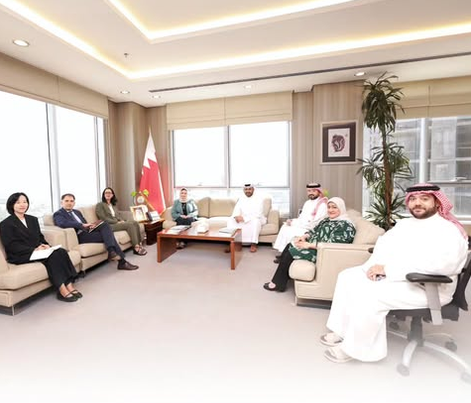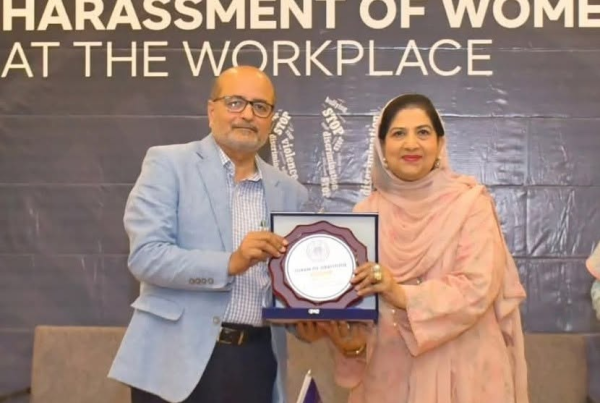
Rome, Italy: Honourable Federal Ombudsperson for Protection Against Harassment, Ms. Fauzia Viqar, represented Pakistan at the two-day International Ombudsman Institute (IOI) Conference held at the Italian Parliament in Rome on 28–29 May 2026, bringing together ombuds institutions and international stakeholders to discuss emerging governance challenges and the protection of citizens’ rights in an increasingly digital world.
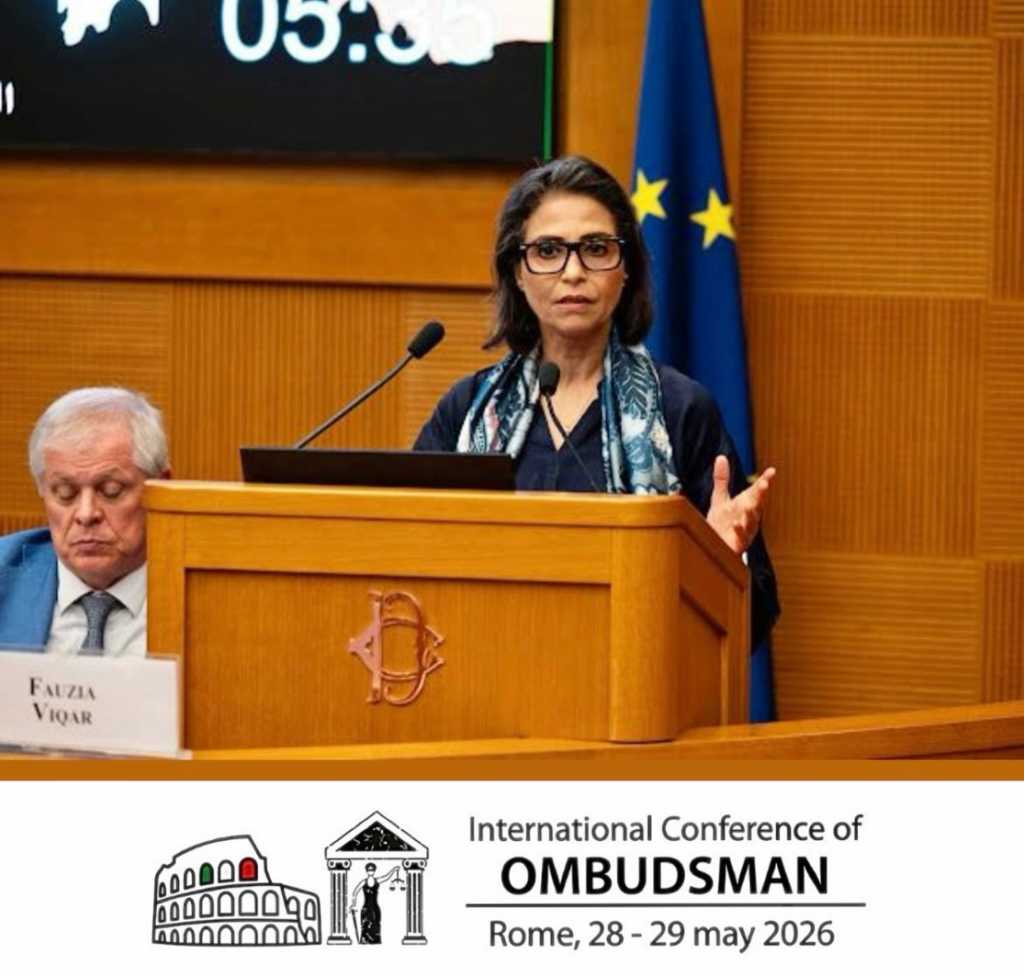
Speaking during the opening session titled “New Global Challenges: Complex Administrations, Digitalisation and Citizens’ Rights,” Ms. Fauzia Viqar highlighted the growing risks associated with digital technologies, including deepfakes, manipulated images, voice cloning, and synthetic explicit content used to harass, intimidate, and silence women.
She emphasized the importance of secure evidence submission mechanisms, early preservation of digital evidence, strict confidentiality safeguards, coordinated engagement with relevant authorities, and strengthened institutional accountability to effectively protect citizens’ rights in digital environments.
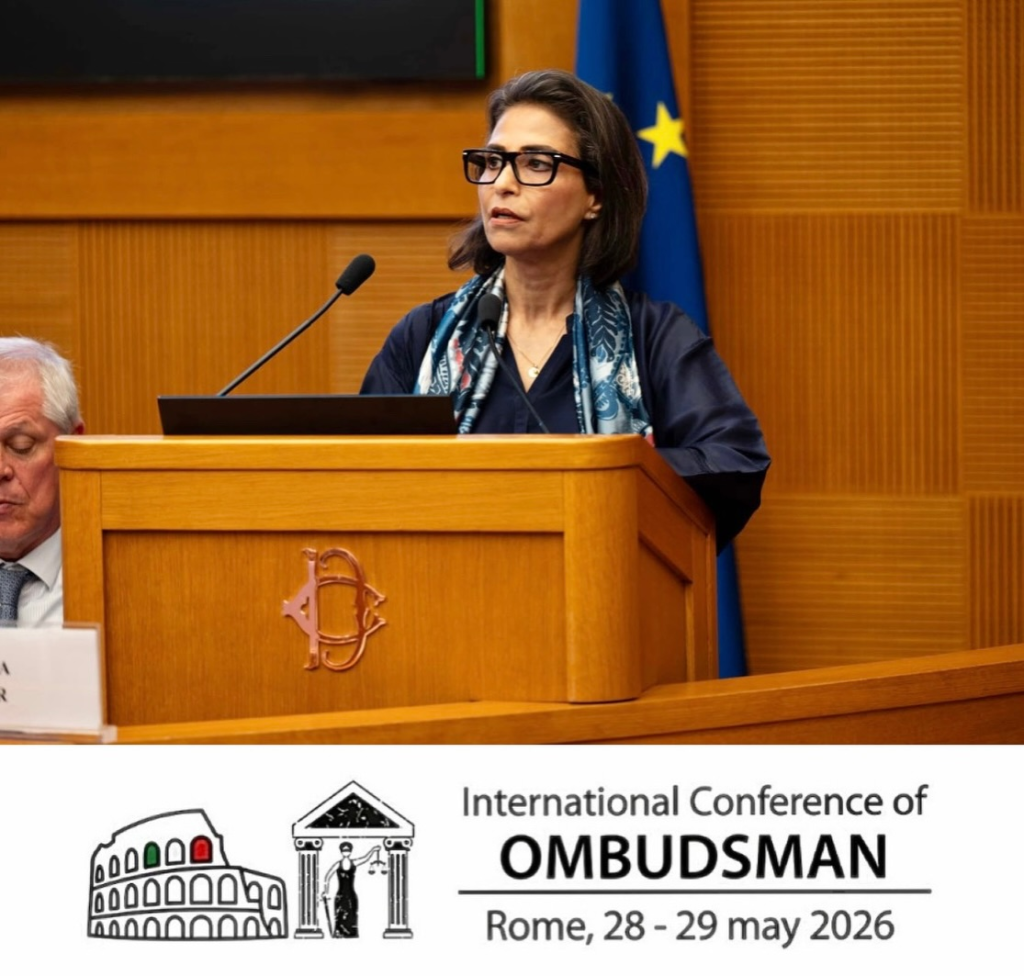
Referring to the outcomes of the conference, Ms. Viqar noted that the Rome Declaration represents an important step toward enhancing institutional capacity and international cooperation in addressing emerging governance and human rights challenges arising from technological advancement.
Drawing on Pakistan’s experience, she highlighted the work of the Federal Ombudsperson Secretariat for Protection Against Harassment (FOSPAH), noting that digital transformation in a developing democracy presents both opportunities and challenges. She observed that protections against harassment are increasingly extending to new forms of work, communication, and administration, while rights in the digital age require stronger safeguards, improved institutional tools, and sustained attention to accessibility and accountability.
Ms. Viqar further stressed that institutional legitimacy is not measured by technological advancement alone, but by whether citizens feel heard, protected, and visible. She underscored that digitalization should serve as a means of providing faster, safer, more accountable, and more humane access to justice.
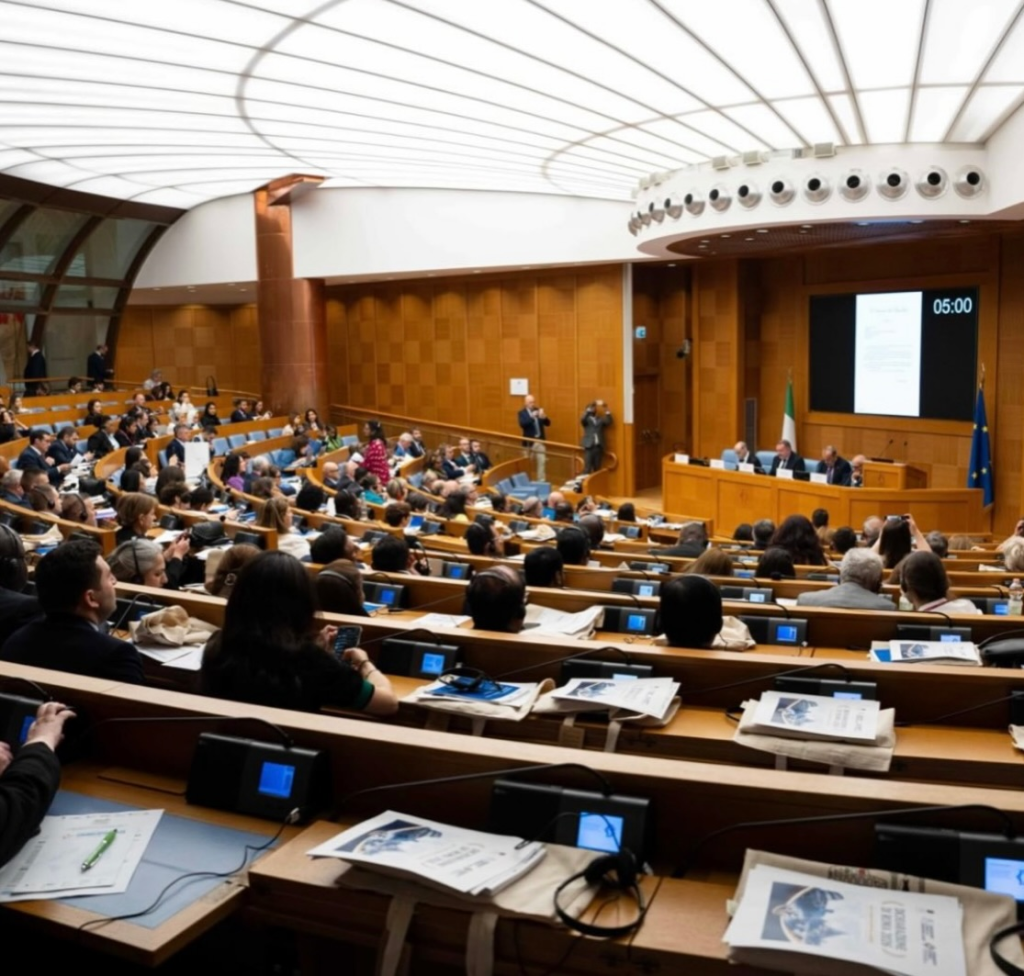
The address concluded with a call for continued institutional commitment to strengthening justice systems capable of protecting citizens’ rights in the digital era.
Pakistan’s participation in the conference reflects the country’s continued engagement with international efforts aimed at promoting accountability, human rights protection, gender justice, and citizen-centered governance in an increasingly interconnected and technology-driven world.