Tripoli | Monday, 19 January 2026
The Chairman of the Administrative Supervisory Board, Abdullah Qaderbouh, chaired the first regular coordination meeting for the year 2026 at the Board’s headquarters in Tripoli, with the participation of directors of public departments and offices. The meeting was held in the context of strengthening institutional follow-up, assessing supervisory performance during the previous phase, and defining practical priorities for the period ahead.
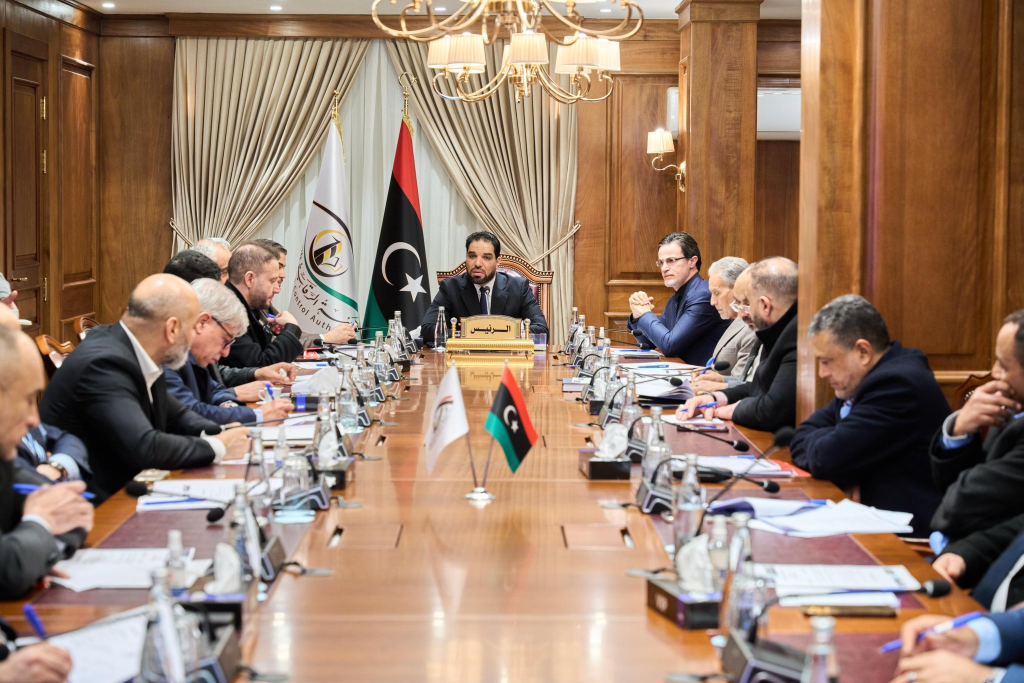
The meeting extensively reviewed the latest developments related to the preparation of quarterly reports and the general annual report for 2025. Discussions focused on levels of achievement, completion ratios, and the quality of monitoring outputs. The half-yearly work plan was also evaluated by reviewing accomplished objectives and identifying challenges faced by certain departments in implementing assigned tasks. In this regard, the Chairman emphasized strict adherence to approved timelines and the prompt rectification of shortcomings to ensure the achievement of the Board’s strategic objectives.
Participants further examined observations raised by the Office of Inspection and Performance Evaluation, with detailed discussion of their operational and technical implications and their impact on administrative and supervisory efficiency. Emphasis was placed on activating internal follow-up mechanisms, reinforcing functional discipline, and continuing the gradual improvement of performance methodologies. Concerned departments were urged to implement corrective measures and submit follow-up reports on actions taken.
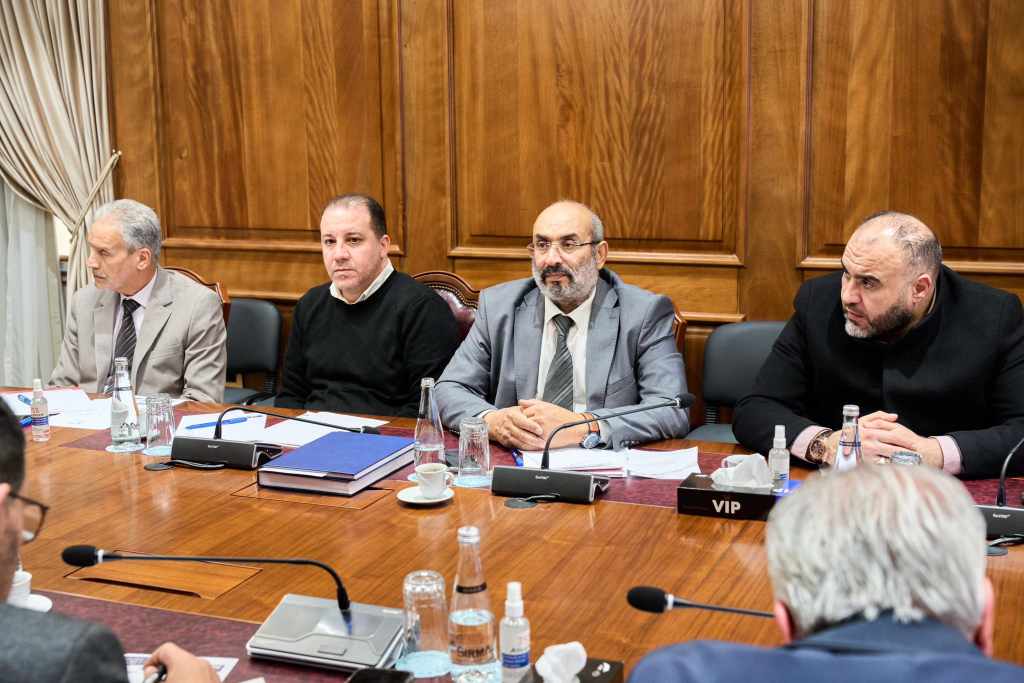
The meeting also addressed observations received from the Office of Counselors concerning pending supervisory reports, focusing on their legal and operational aspects and alignment with sound legal frameworks. The Chairman highlighted the importance of prior coordination between specialized departments and the Office of Counselors to enhance report quality, expedite referral procedures, and ensure the integrity of the legal process underpinning recommendations and outcomes.
Within the framework of capacity building, the meeting reviewed achievements in training during 2025, including the number of programmes conducted, utilization rates, and their impact on improving professional performance among Board members and staff. The proposed training plan for 2026 was discussed, with a focus on strengthening supervisory and technical competencies, keeping pace with developments in oversight practices, and aligning training initiatives with actual departmental needs and institutional development goals.
In concluding the meeting, the Chairman stressed the need for intensified cooperation among departments and offices, adherence to standards of quality and transparency, and teamwork, underscoring the Board’s role in protecting public funds and promoting the principles of integrity and good governance.