Tripoli | Sunday, 28 December 2025
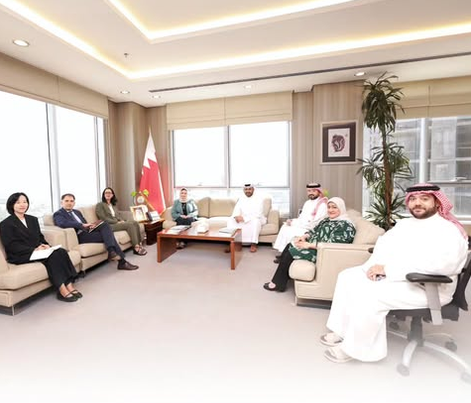
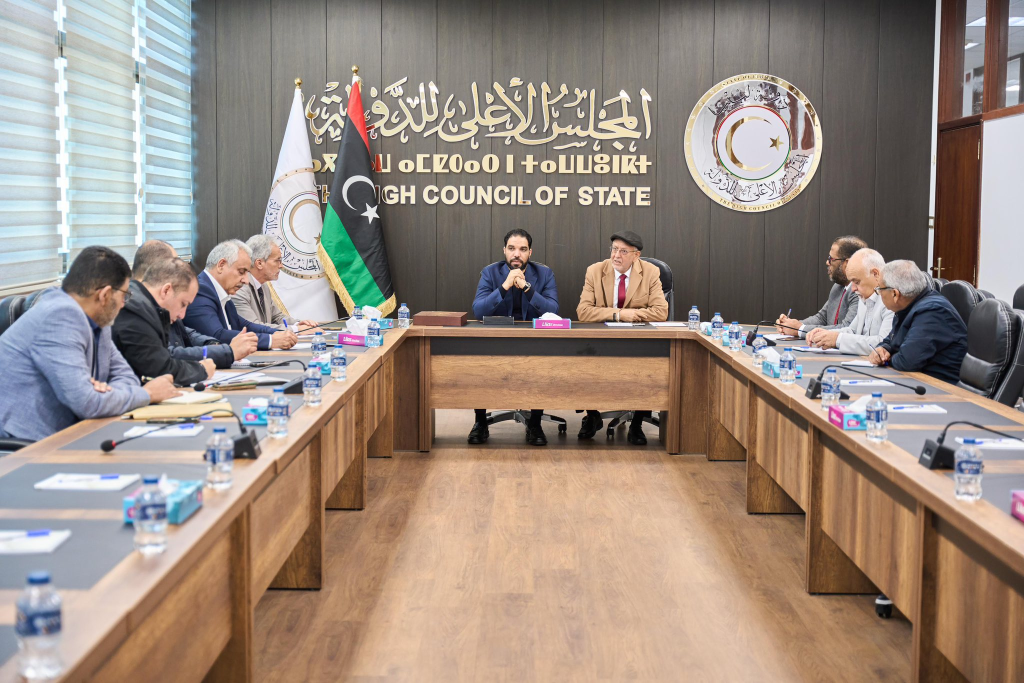
The Chairman of the Administrative Oversight Board, Abdullah Qaderbouh, accompanied by a senior delegation, held a high-level meeting with the Anti-Corruption Committee of the Supreme Council of the State at the headquarters of the Supreme Council of the State. The meeting focused on a number of joint files related to combating corruption and strengthening institutional oversight mechanisms.
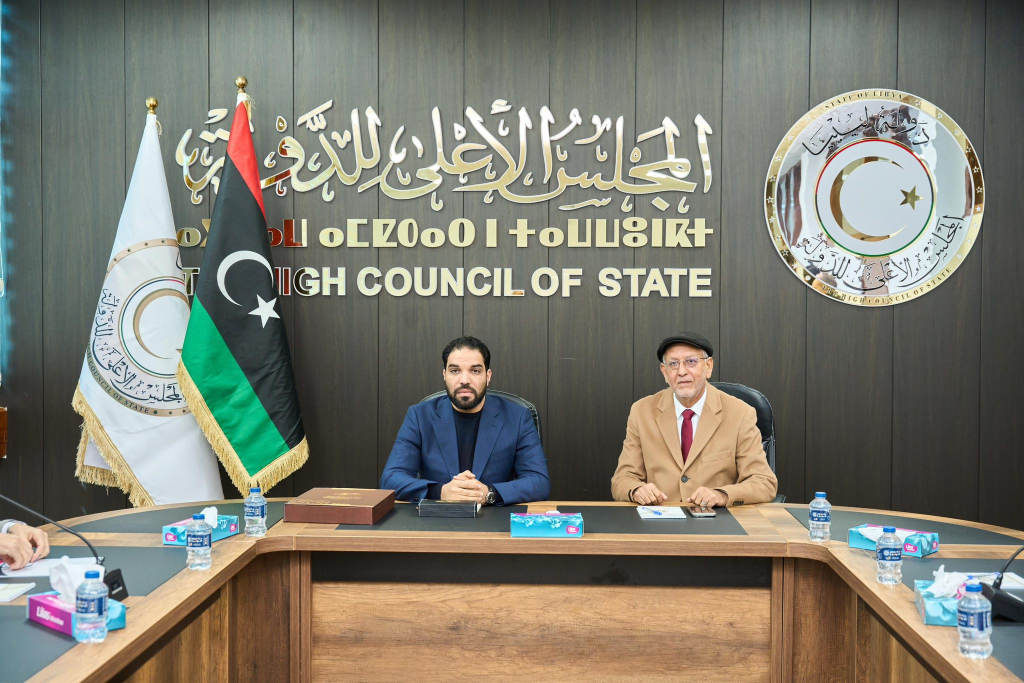
The discussions addressed key monitoring issues, including the exchange of information, a review of the legislative and regulatory framework governing anti-corruption efforts, and the examination of mechanisms to enhance governance and transparency. Particular emphasis was placed on the follow-up of public expenditure, procedures for closing public accounts in line with the plans adopted by the Administrative Oversight Board, and the phased implementation of account settlement processes.
The meeting also reviewed measures to strengthen oversight of appointments to senior leadership positions, with a view to ensuring the principles of justice, merit, and equal opportunity among candidates for public office.
In addition, the two sides examined the findings and data contained in the 54th Annual Report of the Administrative Oversight Board for 2024, including actions taken by the Board in accordance with applicable regulatory legislation. The report outlines the financial, economic, and administrative status of the State and aims to promote comprehensive societal oversight by enabling citizens to access information from reliable and authoritative sources, serving as a secure reference for the future.
Both parties underscored the importance of unifying efforts and enhancing institutional coordination to protect public funds, uphold the principles of integrity, support the independence of oversight bodies, and ensure that monitoring outcomes are translated into concrete measures that serve the public interest.
The meeting forms part of the Administrative Oversight Board’s continued support for the path of administrative and financial reform, as well as its commitment to strengthening integration between oversight and legislative institutions in pursuit of institutional stability, transparency, and good governance.