New York, December — The Administrative Oversight Board, led by its Chairman Mr. Abdullah Qaderbouh, participated in the Second World Conference on Harnessing Data to Improve the Measurement of Corruption, held at the United Nations Headquarters in New York. The conference brought together global experts, policymakers, and anti-corruption institutions to discuss advancements, best practices, and challenges in using data-driven approaches to combat corruption.
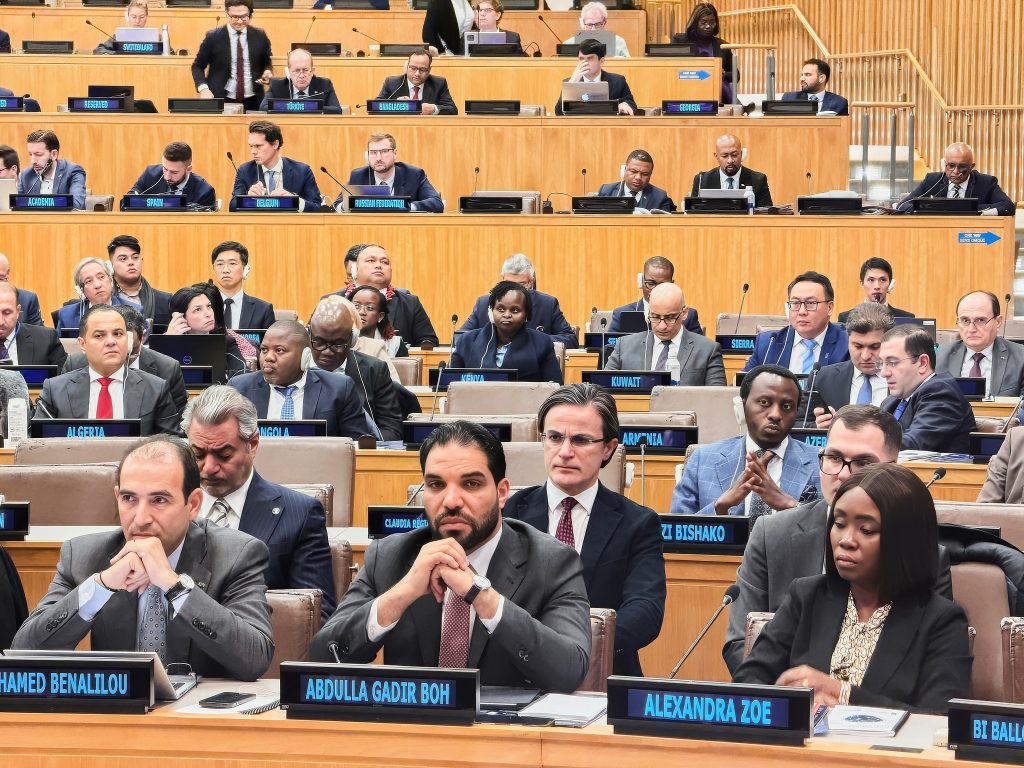
Organized under the sponsorship of the United Nations Development Programme (UNDP), the International Anti-Corruption Academy (IACA), and the United Nations Office on Drugs and Crime (UNODC), the conference aimed to strengthen the implementation of the Vienna Principles, which provide a global framework for corruption measurement.
Promoting Data-Driven Anti-Corruption Approaches
Chairman Qaderbouh and his delegation engaged in discussions focused on enhancing the role of data in monitoring, analyzing, and responding to corruption across sectors. The deliberations emphasized the need for:
- Adopting the Vienna Principles as a standardized global framework
- Providing Member States with practical tools, mechanisms, and methodological guidelines
- Strengthening international cooperation in data-based corruption measurement
The conference highlighted the importance of evidence-driven strategies, noting that reliable data is essential for designing targeted interventions, improving transparency, and evaluating anti-corruption policies.
Launch of Global Tools and Frameworks
One of the key outcomes of the event was the launch of the UNDP Global Digital Dashboard to Fight Corruption, a platform designed to help Member States visualize and utilize comparative data. Participants were also introduced to:
- The Corruption Measurement Statistical Framework, developed by UNODC
- New methodologies, indicators, and analytical tools
- Updated reporting models for national integrity and anti-corruption agencies
These tools aim to support governments in applying evidence-based methodologies to understand and measure corruption more accurately.
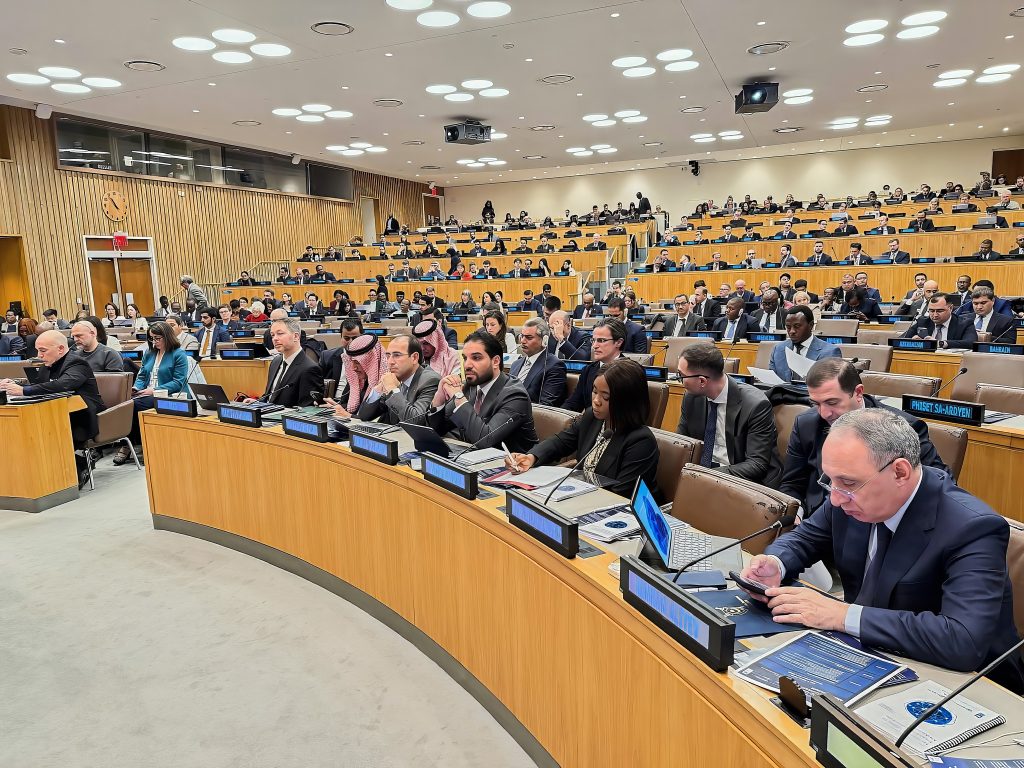
High-Level Engagements and Expert Discussions
Over three days, the conference featured:
- High-level plenary sessions with ministers, heads of agencies, and international leaders
- Thematic committees and expert roundtables
- Discussions on emerging methods and digital innovations in corruption measurement
- Dialogues on measuring corruption in public and private sectors
- Sessions on assessing the institutional performance of anti-corruption authorities
- Studies on illicit financial flows and the economic impacts of corruption
Experts also examined lessons learned from previous global and regional initiatives to refine strategies and strengthen future implementation.
A Platform for Global Peer Learning and Cooperation
The conference provided an inclusive space for Member States, academics, international organizations, and private-sector stakeholders to exchange insights, share national experiences, and present innovative anti-corruption tools. Delegations had opportunities to contribute to side events, technical sessions, and consultations that will shape the final outcome document of the conference.
Through its participation, the Administrative Oversight Board reaffirmed its commitment to adopting modern, data-based approaches to corruption prevention and to strengthening global cooperation in integrity and transparency efforts.