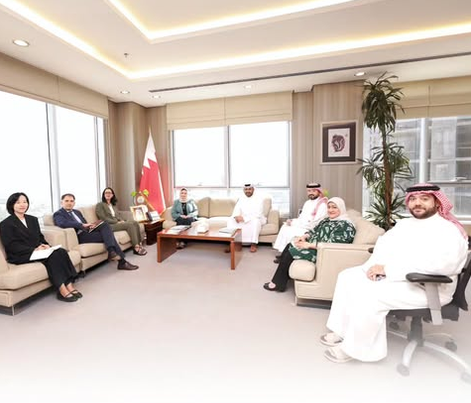
The Administrative Control Authority of Libya, a member institution of the Organization of Islamic Cooperation Ombudsman Association, commemorated 55 years since the publication of its annual oversight reports and 76 years since its establishment during an official ceremony held in Tripoli on 13 May 2026.
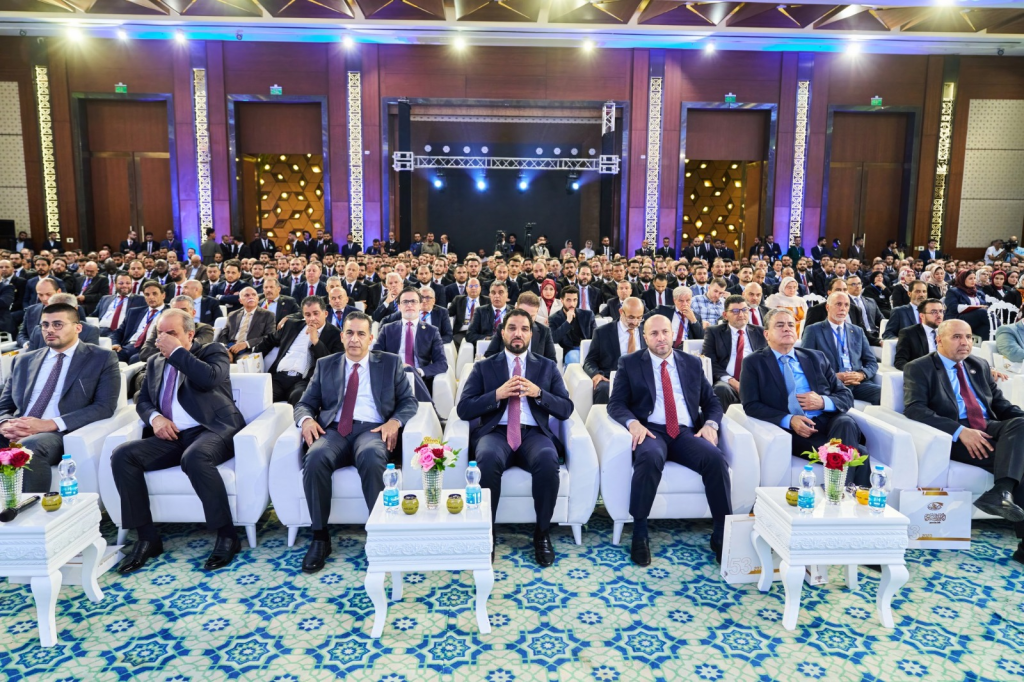
The event, hosted at the Rexos Halls Complex in the Libyan capital, was attended by senior state officials, members of the House of Representatives and High Council of State, ministers of the Government of National Unity, ambassadors, representatives of international organizations, and former heads of the Authority.
The ceremony featured a presentation documenting the institution’s historical role in oversight, monitoring public expenditure, strengthening transparency, and safeguarding public resources over the past decades.
In his address, Abdullah Qaderbouh stated that the Authority’s annual reports for 2024 and 2025 provide a comprehensive assessment of Libya’s financial and administrative realities. He noted that public expenditure since 2011 had exceeded one trillion Libyan dinars, emphasizing the urgent need for reform, institutional coordination, and effective governance mechanisms.
He further highlighted the Authority’s efforts to establish the first integrated national database concerning Libya’s administrative structure, aimed at identifying institutional shortcomings and supporting evidence-based decision-making processes.
The reports reviewed during the ceremony covered key sectors including oil and gas, monetary policy, infrastructure, healthcare, education, investments, public administration, and development projects. They also addressed violations, disciplinary actions, judicial referrals, and financial irregularities recorded during the reporting period.
According to the Authority, approximately 10,690 observations and violations relating to executive institutions were documented in 2025, alongside numerous complaints and reports concerning financial and administrative misconduct and service deterioration.
The ceremony also emphasized the importance of institutional cooperation, transparency enhancement, accountability, and unified economic planning as essential foundations for national stability and sustainable development.
In addition, presentations highlighted the Authority’s international cooperation efforts, training and institutional capacity-building programs, and participation in global integrity and anti-corruption initiatives.
The event concluded with a tribute honoring former heads of the Administrative Control Authority in recognition of their contributions toward strengthening oversight and institutional accountability in Libya.
The ceremony reflected the continued commitment of the Administrative Control Authority of Libya toward promoting transparency, combating corruption, protecting public resources, and advancing principles of good governance and institutional reform.