Tripoli | Sunday, January 12, 2026
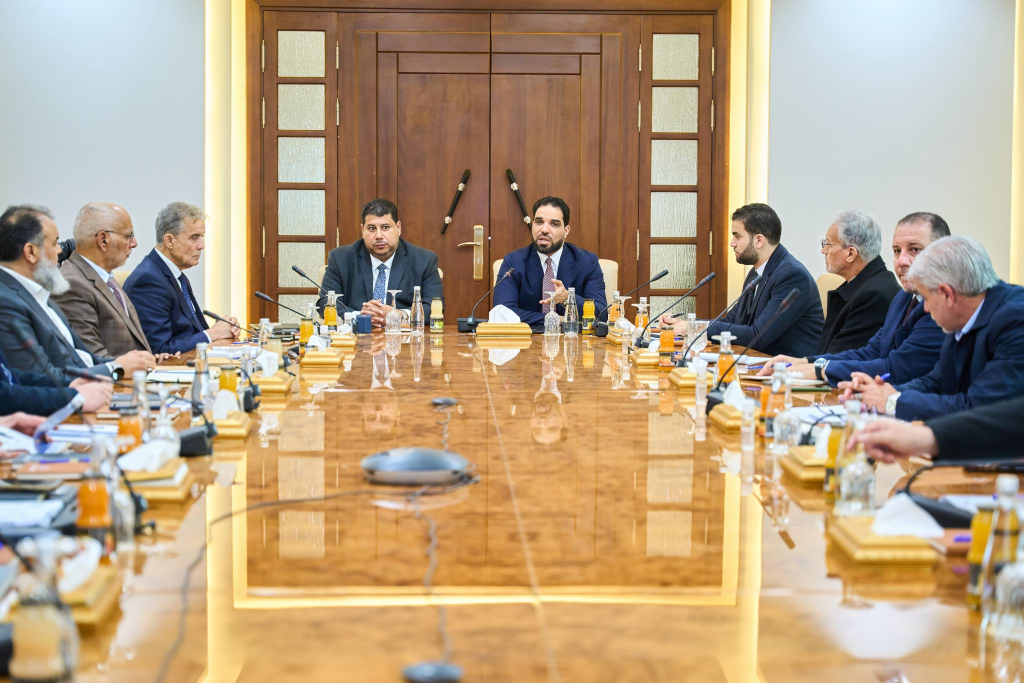
A high-level meeting was held at the headquarters of the National Oil Corporation in Tripoli, bringing together the Chairman of the Administrative Supervisory Board, Abdullah Qaderbouh, and the Chairman of the Board of Directors of the National Oil Corporation, Masoud Suleiman, along with a number of directors and senior officials from both institutions.
The meeting focused on reviewing the current financial situation of the National Oil Corporation in light of prevailing economic changes and the challenges facing the oil sector. Discussions examined the Corporation’s proposal to increase oil production in accordance with its approved work plan, alongside an in-depth review of mechanisms governing sovereign oil revenues.
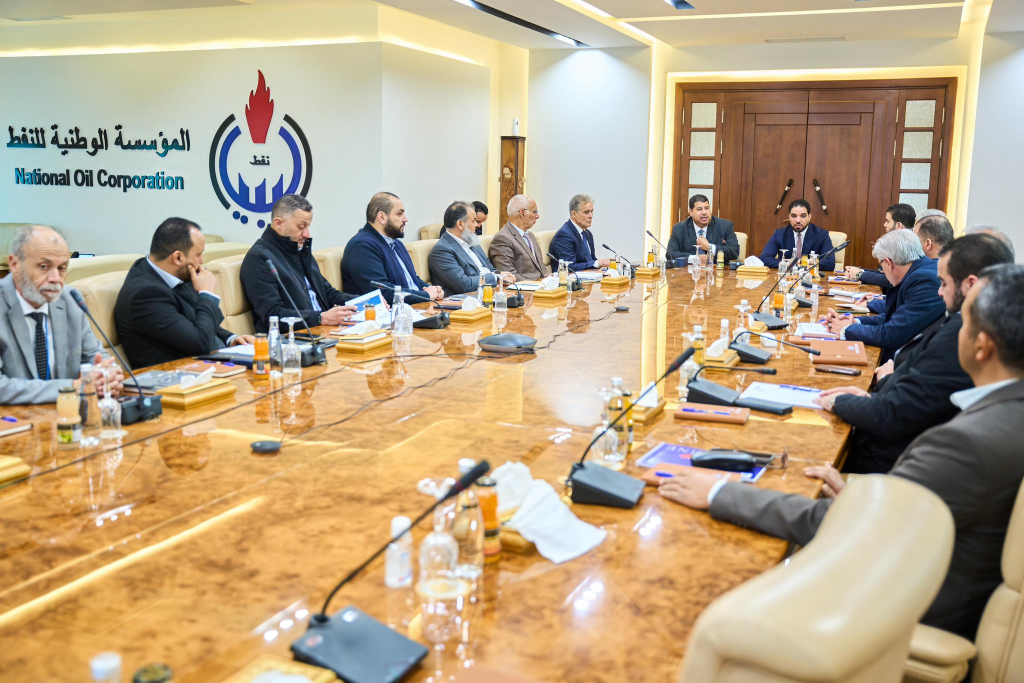
Participants discussed the framework for transferring oil and gas revenues—after taxes and duties—to the State’s sovereign account, with the aim of strengthening expenditure control, preventing unplanned spending, and ensuring the availability of funding for operational arrangements, administrative costs, and development projects. The discussions also emphasized supporting development and maintenance programs and enhancing the overall operational efficiency of the oil sector.
The meeting further addressed deposit, withdrawal, and audit mechanisms, highlighting their role in enhancing transparency and improving coordination between the National Oil Corporation and relevant financial and audit authorities.
In addition, the participants examined the fuel subsidy file, assessing its financial and economic implications for the general budget. The Corporation’s strategic vision to gradually shift from direct fuel subsidies toward targeted financial support mechanisms was reviewed, with a focus on reducing waste, limiting irregularities and fuel smuggling, safeguarding domestic supply, and promoting more equitable distribution of subsidies, while carefully evaluating the social and economic impacts of such a transition.
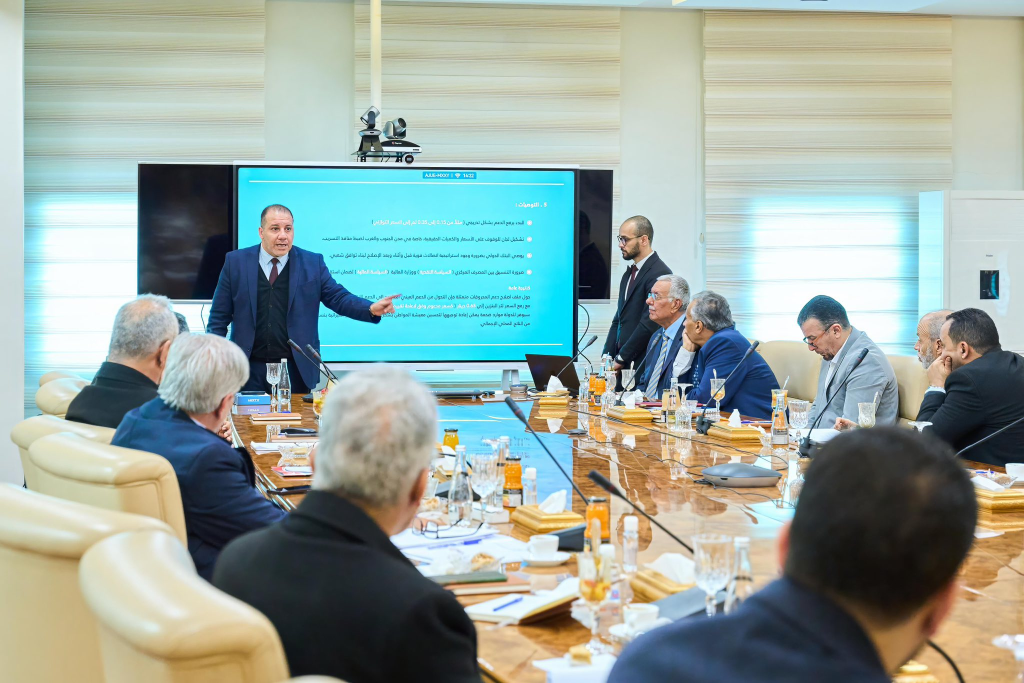
Challenges related to fuel distribution at service stations were also discussed, including existing technical, logistical, and administrative bottlenecks. The meeting reviewed a set of proposed solutions aimed at improving distribution efficiency and ensuring a regular and fair supply of fuel across all regions.
Moreover, the meeting included a comprehensive financial analysis of the development of Libya’s oil sector between 2011 and 2024, reviewing key financial and productivity indicators, the effects of political and security conditions, and fluctuations in global oil prices on revenues. The analysis also assessed ongoing efforts related to financial reform and governance within the sector.
The meeting concluded by stressing the importance of strengthening transparency, oversight, and adherence to legal frameworks governing revenue collection and expenditure. These measures were underscored as essential to protecting public funds, achieving financial stability, and ensuring that oil revenues are directed toward the country’s national development priorities.