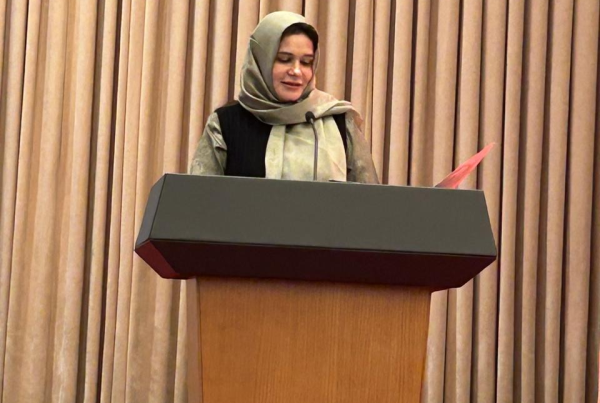
The Provider of Justice of Mozambique has issued a public clarification addressing growing citizen concerns regarding the non-execution of court judgments, reaffirming its constitutional commitment to the protection of rights, freedoms, and guarantees while emphasizing the legal limits of its institutional mandate.
According to the statement, the Ombudsman Institution has recorded a significant number of complaints from citizens who, despite obtaining favorable and final judicial decisions, continue to face difficulties in securing the practical enforcement of those rulings, particularly in matters involving compensation payments and fulfillment of legal obligations.

The Provider of Justice clarified that, under the Constitution of the Republic and Act No. 10/2023 of 21 July, the institution has no authority to interfere in judicial proceedings or substitute the functions of the courts. Its mandate remains confined to the sphere of administrative legality and the defense of citizens’ rights within the framework of the rule of law.
The statement further explained that a judgment becoming final and binding does not automatically result in enforcement. Under the Mozambican legal system, the enforcement phase requires the initiative of the rights holder through the establishment of a separate execution process aimed at compelling compliance with the court’s decision.
The Ombudsman stressed that execution procedures may include legally sanctioned measures such as asset seizure, bank account blocking, and other enforcement mechanisms, subject to due legal process and typically requiring legal representation.
Importantly, the institution underscored that courts cannot provide individualized legal guidance to parties, as judicial impartiality and equality before the law must be preserved at all times. Legal assistance and procedural guidance remain the responsibility of lawyers, legal assistants, and judicial sponsorship mechanisms established by law.
The recurrence of public complaints, according to the Provider of Justice, highlights the urgent need to strengthen legal literacy and public understanding of judicial procedures, particularly regarding post-judgment enforcement mechanisms.
Reaffirming its dedication to legality, justice, transparency, and good governance, the Provider of Justice pledged to continue guiding citizens within the limits of its constitutional competencies while contributing to the strengthening of democratic institutions and the rule of law in Mozambique.