Jordan Launches National Integrity and Anti-Corruption Strategy 2026–2030
The Integrity and Anti-Corruption Commission of Jordan announced the implementation of its National Strategy for 2026–2030, reinforcing the country’s commitment to promoting transparency, accountability, and good governance.

The strategy was officially launched during the International Anti-Corruption Day celebration under the slogan “Prosperous Jordan, the Essence of Integrity,” held under the patronage of His Majesty King Abdullah II and represented by Prime Minister Dr. Jafar Hassan.
The newly introduced strategy focuses on strengthening legislation and adopting innovative tools such as corruption risk management systems, digitization, artificial intelligence, and national integrity standards. It also aims to enhance safe and accessible reporting channels, positioning Jordan as a regional model in combating corruption and promoting institutional integrity.
The strategy is built upon eight core pillars: integrity, transparency, accountability, competence and effectiveness, justice and equality, cooperation and partnership, active citizenship, and sustainability. These pillars seek to strengthen oversight mechanisms, promote equal opportunities, empower citizens through community reporting and monitoring, and ensure sustainable management of national resources.
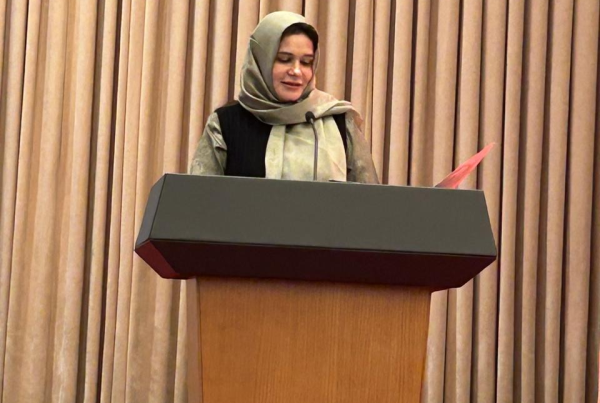
Secretary General of the Commission, Mr. Amjad Narmouq, emphasized that collective action and institutional cooperation are essential for achieving the objectives of the strategy and supporting Jordan’s broader reform agenda.

He highlighted the importance of collaboration among ministries, institutions, and public bodies in implementing strategic initiatives aimed at strengthening public trust, reinforcing the rule of law, and promoting a culture of integrity and transparency across society.
The initiative reflects Jordan’s continued dedication to advancing anti-corruption efforts and strengthening governance frameworks, in line with the principles promoted by the Organization of Islamic Cooperation Ombudsman Association (OICOA).