Tripoli – Tuesday, July 29, 2025
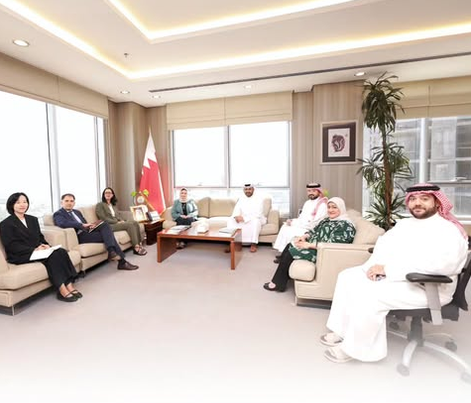
At the headquarters of the Supreme Council of the State in Tripoli, Mr. Abdullah Qaderbouh, Chairman of the Administrative Supervisory Board, met with Dr. Mohamed Takala, President of the Supreme Council of the State, to discuss mechanisms for strengthening public sector oversight, institutional accountability, and economic reform.
The meeting focused on the review and verification of state contracts, the tracking of public sector performance, and the advancement of economic reform initiatives. Discussions highlighted the urgent need for robust supervisory tools to ensure transparency and compliance in government-led projects and institutional procedures.
Chairman Qaderbouh presented the Board’s strategic initiatives, which include:
- Strengthening preventive oversight systems
- Monitoring sustainable development projects and contract frameworks
- Addressing administrative and financial violations
- Modernizing the supervisory and legislative environment
- Enhancing data sharing and performance audits
He also emphasized the Board’s ongoing efforts to implement a strategic national plan for anti-corruption and performance monitoring (2025–2030) — the first of its kind since Libya’s founding. This roadmap aims to embed transparency, accountability, and integrity into the country’s public administration.
Dr. Takala, for his part, underscored the importance of harmonizing supervisory and legislative efforts, emphasizing that public trust and institutional performance rely on firm legal frameworks and collaborative enforcement. He called for urgent attention to:
- The oversight of administrative contracts
- The review of national accounts
- Identifying accountability in financial mismanagement cases
- Improving the country’s financial and economic positioning
The two leaders affirmed the importance of developing joint strategic plans, respecting institutional mandates, and building a cohesive system of law and governance that ensures Libya’s path toward transparency, reform, and institutional resilience.